
Cynthia Byas
LMFTSouth Carolina · 10 yrs exp
Compassionate, strength-based therapy for healing
Stress, Anxiety · Relationship · Family · Trauma and abuse · +2 more
Read profileTherapist listings are provided by BetterHelp. We will earn a commission at no extra cost to you if you use our links to buy.
Welcome to our directory of licensed online therapists serving South Carolina. All therapists listed here hold state licenses; explore their profiles to review approaches, focus areas, credentials and languages.
South Carolina · 10 yrs exp
Compassionate, strength-based therapy for healing
Stress, Anxiety · Relationship · Family · Trauma and abuse · +2 more
Read profile
South Carolina · 25 yrs exp
Helping people move past old patterns
Stress, Anxiety · Parenting · Self esteem · Depression · +7 more
Read profile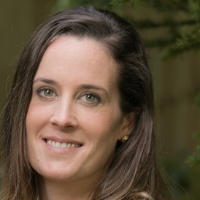
South Carolina · 8 yrs exp
Compassionate, practical counseling focused on progress
Stress, Anxiety · Trauma and abuse · Anger · Self esteem · +12 more
Read profile
South Carolina · 8 yrs exp
Practical counseling with clear, goal-focused care
Stress, Anxiety · Grief · Self esteem · Depression · +11 more
Read profile
South Carolina · 10 yrs exp
Integrative, practical counseling for daily struggles
Stress, Anxiety · Anger · Self esteem · Coping with life changes · +13 more
Read profile
South Carolina · 13 yrs exp
Practical help for stress and trauma
Self esteem · Stress, Anxiety · Relationship · Family · +11 more
Read profile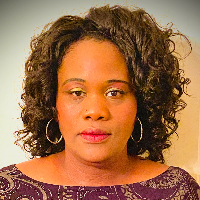
South Carolina · 9 yrs exp
Compassionate counselor with practical skills
Stress, Anxiety · Trauma and abuse · Grief · Depression · +16 more
Read profile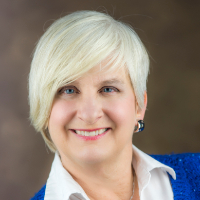
South Carolina · 20 yrs exp
Compassionate psychologist focusing on practical coping
Stress, Anxiety · Parenting · Bipolar · Depression · +8 more
Read profile
South Carolina · 22 yrs exp
Calm, practical care for real-life struggles
Stress, Anxiety · Anger · Depression · Coping with life changes · +15 more
Read profile
South Carolina · 52 yrs exp
Experienced clinician focused on practical change
Stress, Anxiety · Relationship · Grief · Intimacy-related issues · +15 more
Read profile
South Carolina · 20 yrs exp
Compassionate support for life’s hardest changes
Stress, Anxiety · Addictions · Trauma and abuse · Parenting · +15 more
Read profile
South Carolina · 10 yrs exp
Therapist focused on practical recovery
Stress, Anxiety · Relationship · Trauma and abuse · Parenting · +9 more
Read profile
South Carolina · 15 yrs exp
A strengths-based counselor focused on practical change
Stress, Anxiety · Addictions · Trauma and abuse · Grief · +12 more
Read profile
South Carolina · 10 yrs exp
Compassionate support for everyday life challenges
Stress, Anxiety · Grief · Self esteem · Depression · +1 more
Read profile
South Carolina · 30 yrs exp
Focused, experienced support for life-changing challenges
Stress, Anxiety · Addictions · Trauma and abuse · Self esteem · +11 more
Read profile
South Carolina · 8 yrs exp
Practical, strengths-based therapy for life’s hard moments
Stress, Anxiety · LGBT · Trauma and abuse · Anger · +15 more
Read profile
South Carolina · 7 yrs exp
Support for stress, addiction, and trauma recovery
Stress, Anxiety · Addictions · Trauma and abuse · Anger · +9 more
Read profile
South Carolina · 9 yrs exp
Supportive counselor for trauma and life transitions
Trauma and abuse · Grief · Parenting · Self esteem · +12 more
Read profile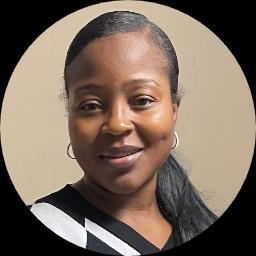
South Carolina · 15 yrs exp
Experienced counselor focused on practical recovery
Addictions · Family · Trauma and abuse · Anger · +14 more
Read profile
South Carolina · 3 yrs exp
Compassionate support for stress and trauma recovery
Stress, Anxiety · Trauma and abuse · Self esteem · Bipolar · +1 more
Read profile
South Carolina · 15 yrs exp
Calm, practical support for life changes
Stress, Anxiety · Grief · Self esteem · Depression · +1 more
Read profile
South Carolina · 32 yrs exp
Supportive social worker focused on practical coping
Stress, Anxiety · Trauma and abuse · Self esteem · Depression · +1 more
Read profile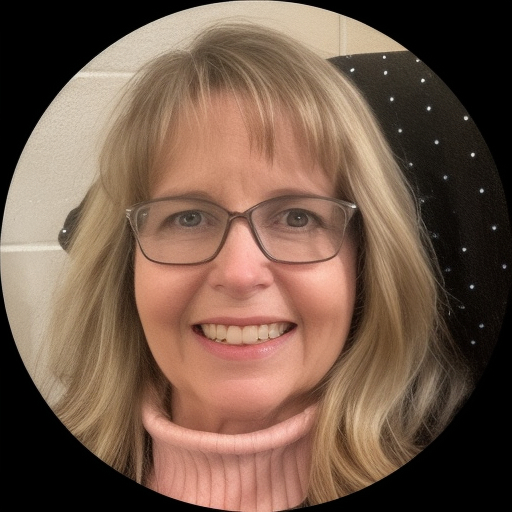
South Carolina · 24 yrs exp
Compassionate clinician for practical healing
Stress, Anxiety · Addictions · Relationship · Trauma and abuse · +1 more
Read profileOnline therapy has grown in visibility and use across South Carolina in recent years. If you live in an urban center like Charleston, Columbia or Greenville, or in a rural county with longer travel times to clinics, you will likely find online options that expand the places and times where mental health care can take place. Therapists listed here offer sessions by video, phone or a combination of formats; the exact delivery methods vary by clinician and by the technology you prefer to use. It is important to note that licensing matters: therapists who appear in this directory are licensed to practice in South Carolina, and that licensing determines the scope of practice and the rules that apply to telehealth services within the state.
Regulatory changes and advances in telecommunication technology have made it easier for many people to pursue ongoing talk therapy, counseling for adjustment after injury, and rehabilitation-related support without always traveling to an office. Still, how online therapy fits your needs depends on personal preference, the nature of the concerns you are addressing, and practical matters such as internet access, device options and whether you want to combine remote visits with occasional in-person care. When you explore listings, you will see information about each therapist's professional credentials, the issues they list as focus areas, the approaches they list among their methods, and the languages they speak. That information can help you narrow choices before reaching out to a clinician for an introductory conversation.
Online therapy can offer conveniences that matter in a state with both densely populated areas and long rural stretches. You may save time that would otherwise be spent driving to appointments, and you can often schedule sessions outside of standard business hours if a therapist lists flexible scheduling among their options. For people managing transportation challenges, physical limitations after a brain injury, or caregiving responsibilities, remote sessions can make it easier to maintain continuity of care. You also have access to therapists across a broader geographic area, so you can find clinicians who list specific experience or focus areas that match your needs, even if those clinicians are based in a different city.
Beyond convenience, many people find that the online format helps them stay consistent with appointments and integrate therapy into daily life. You can participate from a quiet room at home, from a workplace break room when privacy is available, or from another location where you feel comfortable. Before your first session, think about where you will join video calls so that you can create a calm setting. While online therapy works well for many issues, it is not always the best fit for every situation. If you are dealing with a medical or safety emergency, you should contact local emergency services or a crisis resource instead of relying on a scheduled therapy appointment.
Therapists in this directory list a wide array of focus areas that are often relevant after a brain injury and for related mental health concerns. You will find clinicians who list post-injury adjustment, mood changes such as anxiety or depression, cognitive and behavioral coping strategies, family and relationship support, and life transitions among their focus areas. Some therapists describe work with vocational issues or reintegration into school or the workplace, while others list support for caregivers and family members who are adjusting to changed roles after an injury.
Approaches vary across clinicians. You may encounter therapists who list cognitive behavioral approaches among their methods, those who list mindfulness-based practices, or those who list EMDR among their approaches. When a therapist lists an approach, that indicates an interest in using that method as part of care but is not a statement of formal certification. You can look for descriptions in a therapist's profile that explain how they apply particular approaches to brain injury-related concerns, and you can ask about techniques and session structure during an initial conversation. Many people combine practical strategies for day-to-day functioning with emotional support and problem-solving that addresses the social and role changes that often accompany a brain injury.
Verifying a therapist's license is an important step in choosing a clinician. In South Carolina, state licensing boards oversee professional credentials and maintain public records you can consult. To confirm a license, start with the state's licensing portal for the relevant profession - for example, the board responsible for counselors, social workers or psychologists. These online tools typically allow you to search by a clinician's name or license number to view license type, expiration dates and any public disciplinary record.
When you check a profile, look for the exact license designation and the scope of practice that accompanies it. If you have questions about what a particular license permits, contact the licensing board’s consumer services or help desk for clarification. You can also request a therapist's license number directly from their profile or during an introductory inquiry. If you prefer, call the board to verify details and to ask whether a practitioner is authorized to provide services to residents of South Carolina via telehealth. Keeping a record of your verification can be useful, especially if you are coordinating care with medical providers or an employer.
Begin by clarifying your goals and practical constraints. Think about the outcomes you want from therapy, whether you prefer short-term skills-based work or longer-term support, and any language or cultural preferences you have. Note scheduling limitations, budget considerations and whether you plan to use health insurance. When you contact a therapist, describe your reasons for seeking help, mention any accommodations you may need, and ask about the communication formats they offer. That first conversation can give you a sense of whether the clinician's focus areas and approach align with your needs.
Choosing a therapist often comes down to fit as much as credentials. Pay attention to how a clinician explains their approach and how they outline the structure of sessions. If a therapist lists cognitive behavioral approaches, ask how that work might look in practice for the concerns you bring. If a therapist lists EMDR among their approaches, ask how that method is used and whether it is appropriate for your situation. You can also ask about experience with brain injury-related challenges and about work with families or caregivers if that is relevant. A brief conversation or intake call can help you assess rapport, communication style and whether their stated focus areas align with your goals.
Confirm the technology requirements for sessions and test your device and internet connection ahead of your first appointment. Choose a location where you can speak without interruptions and where you feel comfortable sharing personal information. Ask about fees, payment methods and whether the therapist provides a receipt you can submit to an insurer if you plan to seek reimbursement. If you rely on a specific accessibility accommodation, discuss that early so the therapist can plan to meet your needs.
After a few sessions, reflect on whether therapy is moving toward your goals. You can ask a clinician about expected timelines, check-ins or strategies to measure progress, and whether they welcome coordination with other providers involved in your care. If something does not feel like the right fit, it is reasonable to discuss adjustments or to look for a clinician whose approach and communication style match your preferences more closely. Choosing a therapist is a personal process and taking an active role will help you find a working relationship that supports your recovery and daily functioning.
Finding an online therapist in South Carolina who matches your needs can expand your options and make it easier to get regular support. Use the directory to review licensed clinicians who list approaches and focus areas relevant to brain injury and related concerns, verify licensure through the state boards, and prepare for an initial conversation that clarifies goals, approach and logistics. With thoughtful preparation, you can begin a therapeutic relationship that fits your life and supports the progress you want to make.
Anger
1077 therapists
Depression
1443 therapists
Disability
996 therapists
Grief
1221 therapists
Guilt and Shame
1323 therapists
Isolation / Loneliness
1303 therapists
Mood Disorders
1236 therapists
Post-Traumatic Stress
1385 therapists
Self Esteem
1366 therapists
Stress & Anxiety
1532 therapists
Trauma and Abuse
1398 therapists
Traumatic Brain Injury
1595 therapists