Part 1 of 4
- Person-centered care
- Skills and tools
- Trauma aware
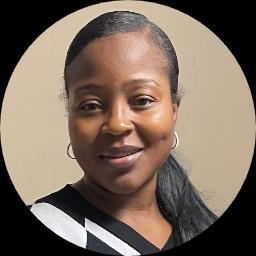
About Chrissy
She uses client-centered methods that let the person guide sessions while she offers structure and tools. Cognitive-behavioral techniques are used to identify unhelpful thoughts and try new behavior patterns. Dialectical behavior therapy skills and mindfulness practices help with strong emotions and staying present.
Chrissy has worked with a wide range of issues including depression, anxiety, anger, substance use, trauma and abuse, grief, and eating and body-image concerns. She also helps with parenting stress, caregiving strain, career challenges, ADHD, and compassion fatigue. Her background includes nursing as well as counseling, which informs a practical outlook on health and daily coping.
Sessions are conversational and focused on goals the client sets. She creates individualized plans that mix skill-building, motivational coaching, and reflective work. Chrissy emphasizes respect and collaboration in each step of the process.
People who choose her typically want straightforward guidance and tools they can use between sessions. She invites clients to take small, manageable steps toward change and offers support while they do that.
Part 2 of 4
How therapeutic approaches translate to online work
Chrissy blends client-centered care with cognitive-behavioral and dialectical behavior therapy tools. Client-centered Therapy focuses on listening, understanding each person’s perspective, and letting their priorities guide the plan. Cognitive Behavioral Therapy (CBT) looks at how thoughts, feelings, and actions connect and teaches practical techniques to change unhelpful patterns. Dialectical Behavior Therapy (DBT) offers skills for managing intense emotions, improving distress tolerance, and handling interpersonal conflict.Choosing the best approach is a collaborative process. The therapist will talk with the client about their goals and daily life, then recommend routes to try. Sessions may combine conversation, skill practice, and coaching so the client can see what fits and adjust plans together.
This profile does not specify which online session formats are used, so confirm current options before booking. Online work can make therapy easier to fit into a busy week, allow shorter check-ins when needed, and reduce travel time. It also lets licensed professionals share worksheets, guided practices, and exercises that clients can use between meetings to reinforce progress.
Part 3 of 4
Areas of expertise
Primary focus
Also works with
Additional focus areas
Therapeutic approaches
Experience
15+ years
Credentials
South Carolina
Languages
English
Part 4 of 4
Frequently asked questions
What concerns does Chrissy address?
She helps with depression, anxiety, trauma and abuse, substance use, anger, grief, body image, and related issues like parenting stress and caregiving strain.
How would you describe her therapy style?
Her style is client-centered and interactive. Sessions mix conversation, goal setting, and concrete skills from cognitive and behavioral approaches.
What is her professional background?
She has 15 years of experience as a counselor and also has nursing experience, which informs a practical approach to health and coping.
What credentials and location are listed for this therapist?
She is a Licensed Professional Counselor (LPC) practicing in South Carolina.
Which languages are supported for sessions?
Sessions are offered in English.
Can people outside the United States work with her?
International clients are not currently accepted.
How are fees and payment handled?
Costs vary with location and therapist availability; sessions use a subscription that can be canceled at any time.
What are the steps to start therapy with her?
Select the Start Therapy button, complete a short matching questionnaire, and then schedule according to therapist availability.