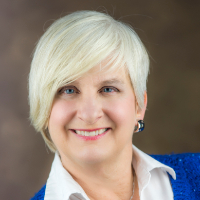
Part 1 of 4
- CBT and mindfulness
- Neuropsychological background
- Down-to-earth style
About Nancy
She uses practical therapies that focus on thoughts, behavior, and awareness. Cognitive Behavioral Therapy helps identify thought patterns that feed anxiety or low mood and builds clearer coping steps. Mindfulness work supports staying present and reducing reactivity. Psychodynamic ideas can help uncover recurring life patterns that affect relationships and self-worth.
Her background includes earlier work in both inpatient and outpatient settings, plus experience performing neuropsychological assessments and diagnosing mental illness. She then spent thirty years teaching at a community college and mentoring students. That mix of clinical and educational experience shapes a patient, explanatory style in sessions.
Dr. Simpson commonly assists people managing depression, bipolar symptoms, anxiety, grief, relationship strain, caregiver stress, and concerns tied to aging or serious illness. Traumatic brain injury is listed among her additional focus areas and she brings clinical experience to related challenges.
Outside of practice she runs a hobby farm, tends bees, makes cheese, and crafts textiles. These hands-on interests inform a down-to-earth approach to therapy. To begin, follow the site start process to match and schedule a session.
Part 2 of 4
How her approaches translate to online work
Dr. Simpson uses Cognitive Behavioral Therapy to help people notice unhelpful thoughts and practice different behaviors. CBT breaks problems into clear steps and is useful for anxiety, depression, and coping with life changes. Mindfulness Therapy is another approach she uses to teach present-moment awareness and reduce reactivity to stressors, which can help with mood and anxiety concerns.Choosing the right approach is a joint process. She will talk with each person about goals, symptoms, and what feels most useful. Together they decide whether to focus on skill building, mindful practice, exploring life patterns, or a mix of methods that fit the person’s needs.
Session formats are not listed in the original biography, so confirm current options before booking. Online therapy can make it easier to fit appointments into a busy schedule, shorten commute time, and allow check-ins when a full in-person visit would be harder to arrange. It can also let someone use a shorter session for quick skill practice or a phone visit when video is impractical. Ask about available formats when you schedule so sessions match your routine and goals.
Part 3 of 4
Areas of expertise
Primary focus
Also works with
Additional focus areas
Therapeutic approaches
Experience
20+ years
Credentials
South Carolina
Languages
English
Part 4 of 4
Frequently asked questions
What concerns does she help with?
She works with a wide range of concerns including stress, anxiety, depression, bipolar mood issues, grief, relationship and intimacy difficulties, caregiver strain, and problems linked to aging or serious illness.
What is her therapeutic style like?
Her style is direct and explanatory with an emphasis on practical steps. She uses clear language and helps people build coping skills they can use between sessions.
What kind of clinical background does she have?
She has 20 years of clinical experience plus earlier work in inpatient and outpatient settings and experience performing neuropsychological assessments and diagnostic evaluations.
Where is she licensed and based?
She is licensed as SC Psychologist 731 and practices in South Carolina.
Which languages are supported for sessions?
Sessions are offered in English.
Can people outside the United States work with her?
She does not accept international clients at this time.
How are fees handled?
Cost varies with location and therapist availability; sessions use a subscription that can be canceled at any time.
How do I begin working with her?
Use the Start Therapy button, complete a short matching questionnaire, and schedule according to therapist availability.