Part 1 of 4
- Client-centered care
- CBT and mindfulness
- Practical coping skills
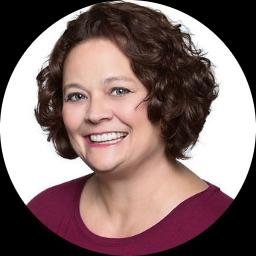
About Lonnie
Her approach focuses on making space for what a person is feeling. She aims to build an open, nonjudgmental environment so thoughts and concerns can be talked through honestly. Sessions are conversational and practical, not full of jargon.
Dr. Erskine combines several methods to match what each person needs. Cognitive Behavioral Therapy is used to spot unhelpful thinking and try new behaviors. Client-Centered Therapy guides sessions by the person's priorities and lived experience. Mindfulness techniques help with grounding and regulating intense emotions.
She has worked with people coping with loss, compassion fatigue, ADHD, bipolar mood concerns, eating and anger issues, and a wide range of attachment and life-stage challenges. Dr. Erskine pays attention to how past experiences shape current reactions and helps people develop clearer ways to cope.
Working with her involves setting goals together and checking progress over time. She encourages small, achievable steps and practical strategies that fit daily life. The focus is on steady improvement rather than quick fixes.
Part 2 of 4
How her approaches translate to online therapy
Dr. Erskine uses Client-Centered Therapy to keep sessions focused on what matters most to the person. That means the conversation follows the client's priorities and pace and the therapist listens to what the client brings each week. Cognitive Behavioral Therapy (CBT) is also used to identify unhelpful thinking patterns and to try concrete behavior changes that can be practiced between sessions. Mindfulness Therapy provides simple grounding and breathing tools to manage intense emotions and improve attention.Finding the right mix is part of the work. She will collaborate with each person to pick techniques that fit their goals and preferences. Together they track what helps and adjust the approach if something is not working well. The process is gradual and tailored to individual needs.
The practical benefits of online therapy often include easier scheduling and fewer travel interruptions so sessions can fit into busy days. If you plan to try online work, confirm the available session formats before booking so you know what to expect. Many people find that regular, shorter steps practiced between sessions make the biggest difference over time.
Part 3 of 4
Areas of expertise
Primary focus
Also works with
Additional focus areas
Therapeutic approaches
Experience
9+ years
Credentials
South Carolina
Languages
English
Part 4 of 4
Frequently asked questions
What concerns does Dr. Erskine address?
She helps people coping with trauma and abuse, grief and loss, depression, anxiety, self-esteem and motivation, addictions, parenting strain, and many related issues like attachment concerns and caregiver stress.
What is her therapeutic style like?
Her style is warm and direct. Sessions focus on open conversation, practical strategies, and collaborative goal setting rather than heavy clinical language.
How much clinical experience does she have?
She has nine years of professional experience working with a variety of concerns across emotional, behavioral, and life-transition issues.
What are her credentials and where is she located?
She holds an LPC credential and practices in South Carolina.
Can people who speak other languages work with her?
Sessions are offered in English.
Are international clients accepted?
International clients are not accepted at this time.
How are fees handled?
Cost varies with location and therapist availability; sessions use a subscription that can be canceled at any time.
How do I begin working with her?
Click the Start Therapy button, complete the short matching questionnaire, and schedule according to therapist availability.