
Edward Davidson
LCSWNew Mexico · 15 yrs exp
Experienced LCSW focused on practical recovery
Stress, Anxiety · Addictions · Trauma and abuse · Grief · +6 more
Read profileTherapist listings are provided by BetterHelp. We will earn a commission at no extra cost to you if you use our links to buy.
Welcome to BrainInjuryTherapists.com’s New Mexico directory for online therapists focused on brain injury support. All therapists listed here are licensed in New Mexico; explore profiles to review their approaches, credentials, languages, and experience.
New Mexico · 15 yrs exp
Experienced LCSW focused on practical recovery
Stress, Anxiety · Addictions · Trauma and abuse · Grief · +6 more
Read profile
New Mexico · 11 yrs exp
Compassionate, practical care for complex challenges
Stress, Anxiety · Addictions · Trauma and abuse · Grief · +1 more
Read profile
New Mexico · 12 yrs exp
Strength, clarity, and practical support
Stress, Anxiety · Self esteem · Coping with life changes · Coaching · +14 more
Read profile
New Mexico · 24 yrs exp
Compassionate counselor for trauma and addiction recovery
Stress, Anxiety · Addictions · Trauma and abuse · Grief · +15 more
Read profile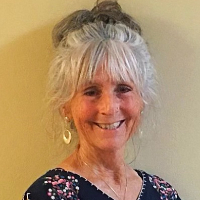
New Mexico · 20 yrs exp
Compassionate counselor focused on practical change
Stress, Anxiety · Addictions · Trauma and abuse · Self esteem · +14 more
Read profile
New Mexico · 16 yrs exp
Experienced LCSW focused on trauma recovery
Stress, Anxiety · Addictions · Trauma and abuse · Bipolar · +13 more
Read profileOnline therapy in New Mexico has become a widely used option for people managing the aftereffects of brain injury and related challenges. You can find licensed clinicians who offer sessions using video and audio platforms so that you can meet with a therapist from home, work, or another convenient location. Many professionals list a range of approaches and specialties on their profiles, including cognitive strategies, mood and anxiety work, family support, and caregiver guidance. Because the field is evolving, the ways clinicians describe their services can vary - some highlight experience with neurologically informed approaches, while others emphasize behavioral interventions, psychotherapy, or supportive counseling for adjustment after an injury.
State rules generally require that clinicians providing ongoing online care to residents be licensed in New Mexico, and that licensing oversight remains an important safeguard. You should expect to find clear information on each therapist’s profile about their credential type, the issues they commonly address, the languages they speak, and the general approaches they use. Profiles are a first step for gathering the practical details you will want before reaching out to discuss fit and logistics.
Online therapy reduces travel time and can make it easier to fit care into your day if you live in a rural or geographically spread-out region of New Mexico. The state has large areas where in-person specialty services are limited, and online sessions can connect you to clinicians who list experience working with brain injury challenges without the need for long drives. You may also find therapists who work in different time zones or who bring complementary language skills to match your needs. For many people, the convenience of attending sessions from home supports consistency in care, which can be especially important when you are balancing medical appointments, rehabilitation, work, or caregiving responsibilities.
Technology also allows certain therapeutic practices to be adapted for remote delivery. Clinicians who list cognitive rehabilitation among their approaches may use structured digital exercises or guided strategies to support memory, attention, and executive functioning. Therapists who emphasize family support or caregiver guidance can include partners or family members in sessions when appropriate, helping you coordinate care across your network. It is helpful to weigh the practical benefits alongside your personal preferences for communication style, session length, and the type of interaction you find most helpful.
Therapists in New Mexico who list brain injury among their focus areas frequently address a broad set of concerns that can follow a head injury. You can expect clinicians to work with mood and anxiety symptoms that emerge after an injury, difficulties with sleep or emotional regulation, changes in identity and daily routines, and the practical challenges of returning to work or school. Some therapists also note experience helping people manage cognitive changes such as problems with memory, planning, or attention by teaching compensatory strategies and organization techniques. Family dynamics and caregiver stress are common themes, and many clinicians describe work with families to improve communication, set realistic expectations, and develop shared plans for daily life.
Because profiles vary, look for language that aligns with the issues you want to address. You may find therapists who list behavioral approaches, mindfulness-based work, supportive psychotherapy, or approaches tailored to neurobehavioral functioning. When a therapist notes an interest in brain injury, that usually means they have worked with related concerns and can discuss how they approach common challenges. In your initial conversations you can ask how they typically work with people who have similar goals and which methods they draw on to track progress.
Verifying a therapist’s license is an important step before beginning work, and it can be done online through state resources. The New Mexico Regulation and Licensing Department maintains license verification tools and resources for consumers. You can search by a clinician’s name or license number to confirm that their credential is active, to view the credential type, and to check whether there are any disciplinary actions or practice restrictions on record. If a profile lists a license number, entering that number in the state’s lookup tool is a quick way to confirm details.
Different credential types are regulated by different boards - for example, boards that oversee psychologists, social workers, professional counselors, and marriage and family therapists. If you have questions about the meaning of a credential, the licensing board webpages offer explanations about scope of practice and educational requirements. If you encounter unclear information on a profile, you can contact the licensing board for clarification. Confirming licensure helps you understand who is authorized to provide ongoing care in New Mexico and provides a way to view official records related to a clinician’s standing.
Begin by reviewing profiles to identify clinicians whose listed approaches, experience with brain injury concerns, languages, and credentials match what you are seeking. Make a short list of questions you want answered before committing to ongoing work - these may include inquiries about the therapist’s approach to brain injury, how they measure progress, session length, typical frequency, fee structure, and what paperwork or referrals are needed. When you reach out to a clinician, you can also ask about the technology they use for sessions and any information protection practices they follow, such as whether the video platform uses encryption.
Your comfort with a therapist’s communication style and the approaches they list is a strong predictor of whether you will feel supported. Look for clinicians who describe working with concerns similar to yours and who explain their methods in a way that makes sense to you. If cultural competence or language is important, prioritize therapists who list relevant languages and experience. Consider whether you prefer a therapist who takes a skills-based approach, a supportive psychotherapy approach, or a mix so that you can align treatment with your goals. It is reasonable to ask therapists how they typically structure sessions for people recovering from brain injury and how they coordinate with other providers, such as physicians or rehabilitation specialists, if that is relevant to your care.
Plan to join sessions from a quiet, private space where you can speak without interruptions. Test your internet connection, camera, and microphone ahead of time so you feel comfortable with the technology. Have a notepad to record strategies or homework suggested during the session. Check with your insurer if you plan to use benefits for telehealth; some plans cover online visits and others have specific requirements. Ask about fees, cancellation policies, and whether the clinician offers sliding scale options if cost is a concern. These practical matters affect how sustainable the care will be for you over time.
Choosing the right online therapist can take time, and it is okay to try an initial session and then reassess whether the clinician’s style and approach fit your needs. Good match is about both clinical approach and how you feel in the conversation. When you find a therapist who explains their methods clearly, listens to your priorities, and outlines a collaborative plan, you will be in a better position to make steady progress toward your goals.
Online therapy in New Mexico offers flexible pathways to find support after a brain injury. Use profiles to learn about clinicians’ credentials, the approaches they list, languages spoken, and the focus areas they commonly address. Verify licensure through the state’s licensing resources and ask practical questions about technology, fees, and coordination with other members of your care team. Taking a thoughtful approach to selection - focusing on fit, experience with relevant issues, and clear communication about methods and logistics - will help you identify a clinician who can work with you toward the goals that matter most.
When you are ready, reach out to one or more therapists to discuss your needs and to learn how they typically structure online sessions. That first conversation is an important step in shaping a plan that feels workable and aligned with your recovery and day-to-day life.
Anger
1077 therapists
Depression
1443 therapists
Disability
996 therapists
Grief
1221 therapists
Guilt and Shame
1323 therapists
Isolation / Loneliness
1303 therapists
Mood Disorders
1236 therapists
Post-Traumatic Stress
1385 therapists
Self Esteem
1366 therapists
Stress & Anxiety
1532 therapists
Trauma and Abuse
1398 therapists
Traumatic Brain Injury
1595 therapists