Part 1 of 4
- Person-centered approach
- Skill-building focus
- Trauma-informed care
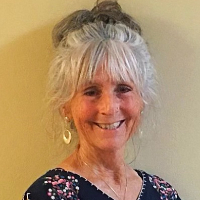
About Elizabeth
She approaches work in a person-centered way. Sessions are conversational and grounded in respect for the client’s experience. Elizabeth listens for strengths, patterns, and obstacles, then partners with people to set clear, practical steps forward. Goals tend to be focused on reducing symptoms and building skills that support daily functioning.
Her background includes a range of clinical environments that shaped how she responds to crisis, relapse, and transitions. That variety supports practical guidance for grief, life changes, compassion fatigue, and parenting stress. She also works with concerns like ADHD, bipolar mood challenges, and intimacy-related issues.
Elizabeth draws from several therapeutic approaches to meet each person’s needs. She uses client-centered methods, cognitive behavioral techniques, dialectical skills, existential reflection, and mindfulness practices. Treatment plans are adapted to fit the person rather than forcing a single model.
People who are looking for straightforward conversation, structured skill work, and help making choices that fit their life may find her style helpful. Prospective clients should review session options and scheduling details before booking to confirm what works for them.
Part 2 of 4
Therapeutic approaches and online care
Elizabeth integrates client-centered therapy and cognitive behavioral therapy (CBT) into her work. Client-centered therapy means she follows the client's lead, listens closely, and grounds the conversation in the person's experience. This helps when someone needs a supportive space to clarify values and choices. CBT focuses on identifying unhelpful thoughts and building concrete skills to change behavior and improve mood. It is useful for anxiety, depression, and many everyday stressors.She also uses aspects of dialectical behavior therapy (DBT) to teach emotion-regulation and distress-tolerance skills when those are needed. DBT-style skills can help with overwhelming emotions, impulsive reactions, or problems maintaining balance during big life changes. Choosing which approaches to use is collaborative; she will work with each person to find the mix that matches their goals, needs, and preferences.
Session details and formats are not listed here, so confirm the available online options before scheduling. Many people find online sessions helpful because they can fit appointments around work, reduce travel time, and choose a quieter time that works for them. Online work also makes it easier to practice skills between sessions and to bring real-life examples into conversation. Licensed professionals tailor timing and techniques so therapy fits into daily life while focusing on the goals you name.
Part 3 of 4
Areas of expertise
Primary focus
Also works with
Additional focus areas
Therapeutic approaches
Experience
20+ years
Credentials
New Mexico
Languages
English
Part 4 of 4
Frequently asked questions
What kinds of concerns does Elizabeth address?
She helps with stress, anxiety, depression, trauma and abuse, addictions, relationship and intimacy issues, grief, parenting strain, ADHD, bipolar challenges, and related concerns.
What is her approach in sessions?
Sessions are conversational and person-centered. She combines client-centered listening with cognitive behavioral and dialectical strategies and mindfulness when helpful.
How long has she practiced?
She has 20 years of experience across psychiatric hospitals, correctional settings, substance treatment centers, and community counseling programs.
What credentials and location are listed?
She is a licensed professional clinical counselor, LPCC, practicing in New Mexico.
Does she offer sessions in other languages?
Sessions are offered in English.
What session formats are available?
Session formats are not specified here; please confirm the current options before booking so you know how sessions are conducted.
How does billing and cost work?
Cost varies with location and therapist availability. Sessions use a subscription that can be canceled at any time.
How do I begin working together?
Use the Start Therapy button, complete a short matching questionnaire, and schedule according to the therapist's availability.