Part 1 of 4
- Practical goal setting
- Warm listening
- CBT and solution-focused
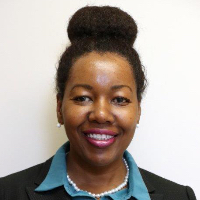
About Tamara
She offers a calm, nonjudgmental space for adults and couples to talk through problems. Sessions focus on what matters most to each person, whether that is anxiety, depression, grief, anger, or challenges at work or in relationships. She also supports people managing addiction, ADHD concerns, and intimacy-related issues.
Her approach combines several methods to fit the client rather than forcing one style. Cognitive Behavioral Therapy helps people notice and change unhelpful thought and behavior patterns. Client-Centered Therapy emphasizes listening and building on each person’s strengths. Solution-Focused Therapy and Motivational Interviewing help set clear goals and find workable steps forward.
Dr. Woods draws on more than 20 years of experience working with family-related situations, including adoption and foster care concerns, blended family issues, caregiver stress, and divorce or separation challenges. She also addresses attachment issues, abandonment, and feelings of isolation or guilt.
If someone is ready to begin, Dr. Woods guides them through a short matching questionnaire and scheduling process. She tailors sessions so practical goals and small steps are clear from the start.
Part 2 of 4
How therapeutic approaches translate to online work
Many of her approaches lend themselves to clear, focused online sessions. Cognitive Behavioral Therapy (CBT) breaks problems into thoughts, actions, and feelings so clients can practice new responses between meetings. Client-Centered Therapy centers on being heard and understood, which helps clients feel supported while they set personal goals. Solution-Focused Therapy concentrates on small, specific steps and measurable progress, which can make online sessions feel efficient and goal oriented.Choosing the right approach is part of the work together. The therapist will talk with each client about their needs, goals, and preferences and then suggest which methods to try. That plan can change as progress is made, so clients stay involved in deciding what helps most.
Practical benefits of online therapy often include easier scheduling and fitting sessions into busy lives. Online work can reduce travel time and make it simpler to keep regular check-ins. Because session formats were not specified in the biography, confirm the therapist's available online options before booking to ensure they match your needs.
Part 3 of 4
Areas of expertise
Primary focus
Also works with
Additional focus areas
Therapeutic approaches
Experience
14+ years
Credentials
Georgia, North Carolina
Languages
English
Part 4 of 4
Frequently asked questions
What kinds of concerns does she address?
She helps people with stress, anxiety, depression, grief, bipolar disorder, addictions, relationship and intimacy issues, parenting concerns, and life changes.
What is her general therapy style?
Her style is collaborative and down-to-earth. She listens first, then helps set small, practical goals using several approaches.
How much clinical experience does she have?
She has 14 years of experience as a licensed clinical social worker and more than 20 years working with family-related situations.
What credentials and region are listed?
She holds LCSW and CSW credentials and practices in North Carolina.
Which languages are supported for sessions?
Sessions are offered in English only and she is not currently accepting international clients.
What session formats are available?
Current session formats are not specified here; please confirm the therapist's available formats before booking.
How are sessions priced?
Cost varies with location and therapist availability; sessions use a subscription that can be canceled at any time.
How do I begin working with her?
Click the Start Therapy button, complete a short matching questionnaire, and schedule according to the therapist's availability.