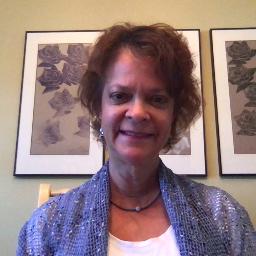
Part 1 of 4
- Warm and interactive
- Practical coping steps
- Trauma aware
About Susan
She works in a warm, interactive way that aims to be respectful and direct. Sessions are tailored to each person’s needs and life situation. She avoids stigmatizing labels and focuses on practical steps that fit daily life.
Susan uses a mix of approaches, including cognitive behavioral work and mindfulness, to help people notice unhelpful patterns and try new ways of thinking and acting. She also draws on psychodynamic and solution-focused ideas to understand recurring difficulties and set short-term, achievable goals.
People come to her with a wide range of concerns such as sleep problems, parenting strain, post-traumatic stress, traumatic brain injury, chronic pain, and compassion fatigue. She helps people sort priorities, manage symptoms, and build routines that support recovery and stability.
Her sessions emphasize collaboration. She and the person she works with agree on goals and adjust plans as needs change. The focus is on clear, doable steps and on helping people regain a sense of control when life feels overwhelming.
Part 2 of 4
How her approaches translate to online therapy
Mindfulness Therapy helps people notice thoughts and bodily sensations without judgment. It can be useful for anxiety, sleep issues, and stress by teaching simple breathing and awareness exercises to use day to day.Cognitive Behavioral Therapy (CBT) focuses on spotting unhelpful thoughts and testing new behaviors. It helps with depression, anxiety, and problems like sleep or motivation by breaking issues into small, practical steps and homework between sessions.
Trauma-Focused Therapy centers on processing traumatic events at a pace that feels manageable. It aims to reduce the hold of painful memories and to teach coping strategies for triggers and flashbacks.
Finding the right mix of approaches is part of the work. The therapist will collaborate with each person to choose methods that match their goals, needs, and comfort level. That decision is revisited as progress is made or circumstances change.
Confirm which session formats are offered before booking, since the biography does not list them. Online therapy can make it easier to fit sessions into a busy life, cut travel time, and allow shorter check-ins when a full session is impractical. It also lets people continue care while managing chronic pain, caregiving duties, or mobility limits.
Part 3 of 4
Areas of expertise
Primary focus
Also works with
Additional focus areas
Therapeutic approaches
Experience
33+ years
Credentials
New York
Languages
English
Part 4 of 4
Frequently asked questions
What kinds of concerns does she address?
Susan works with people facing stress, anxiety, depression, grief, relationship issues, sleep problems, and trauma. She also supports those dealing with chronic illness, caregiver strain, and traumatic brain injury.
What is her therapeutic style like?
Her style is warm and interactive, avoiding stigmatizing labels and focusing on respect and compassion. Sessions are practical and tailored to what each person needs right now.
How much experience does she have?
She has 33 years of experience as a therapist and has worked with a broad range of concerns over that time.
Where is she based and what credentials does she hold?
She lives and practices in New York and holds the LCSW credential, listed as NY LCSW.
Can I work with her if I live outside the United States?
Sessions are offered in English and she is not currently accepting international clients.
What session formats are available?
Please confirm current session options before booking, as the biography does not specify which formats are offered.
How are costs handled for sessions?
Cost varies with location and therapist availability, and sessions use a subscription that can be canceled at any time.
How do I begin working with her?
Use the Start Therapy button, complete a short matching questionnaire, and schedule according to therapist availability.