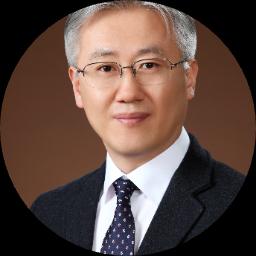
Part 1 of 4
- Thirty years experience
- English and Korean
- Trauma and grief focus
About Sung
He creates a calm setting where people can talk through hard feelings and make practical changes. Sessions aim to help clients notice patterns, manage stress, and strengthen emotional coping skills. Conversations cover daily life, relationships, and goals in clear, everyday terms.
His work combines several approaches, including cognitive behavioral techniques, acceptance and commitment ideas, and attachment-focused listening. That means he uses both practical skills and deeper relational understanding depending on what a person needs. He helps people practice new ways of thinking and relating, then tests what works in real life.
People often bring worries about identity, loss, caregiving burden, chronic health issues, or social anxiety. He also addresses concerns tied to adoption, aging, body image, and commitment challenges. The focus is on steady progress rather than quick fixes.
Dr. Kim holds the credential NY Psychoanalyst 000245, and he draws on decades of practice to tailor care. To begin, clients choose the Start Therapy button, fill a short matching questionnaire, and schedule sessions based on the therapist's availability.
Part 2 of 4
Approaches that translate to online work
Acceptance and Commitment Therapy helps people notice painful thoughts without getting stuck in them and then choose actions that match their values. It is useful for anxiety, depression, and situations where avoidance has become a pattern. Cognitive Behavioral Therapy focuses on identifying unhelpful thought patterns and testing new behaviors to reduce distress and improve daily functioning. It often uses concrete exercises and homework to build skills.Choosing the right approach is a collaborative process. The therapist works with each person to decide whether ACT, CBT, attachment-focused listening, or a mix will best fit their goals. Sessions can shift as needs change, with practical steps tested between meetings to see what helps.
The biography does not list specific online session formats, so confirm current options before booking. Many people find online therapy easier to fit into a busy life, because it can reduce travel time, allow shorter check-ins, and make it simpler to keep continuity during health or work disruptions. Talking through coping strategies, practicing skills, and checking progress can all work well at a distance when the approach and schedule match the client’s needs.
Part 3 of 4
Areas of expertise
Primary focus
Additional focus areas
Therapeutic approaches
Experience
30+ years
Credentials
New York
Languages
English, Korean
Part 4 of 4
Frequently asked questions
What kinds of problems does this therapist help with?
He works with stress, anxiety, relationship difficulties, trauma and abuse, grief, and depression, plus related issues like abandonment and caregiver stress.
What is his general therapy style?
He blends practical skill-building with reflective listening, using exercises and conversation to help clients change habits and understand feelings.
How much clinical experience does he have?
He has 30 years of clinical experience practicing in New York and supporting people through a range of life challenges.
What credentials and location are listed?
The listed credential is NY Psychoanalyst 000245 and the practice is located in New York.
Which languages are supported for sessions?
Sessions are offered in English and Korean, and the therapist accepts international clients.
What session formats are available?
Session formats are not specified in the biography; please confirm current session options before booking.
How does payment and cost work?
Cost varies with location and therapist availability; sessions use a subscription that can be canceled at any time.
How do I begin working with him?
Select the Start Therapy button, complete a short matching questionnaire, and schedule according to the therapist's availability.