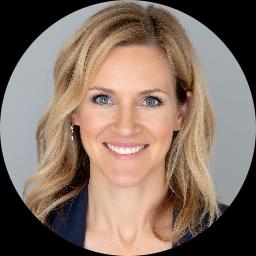
Part 1 of 4
- Client-centered focus
- CBT and mindfulness
- 14 years experience
About Stephanie
Dr. Zeid draws on plainspoken methods so clients can solve immediate problems and build longer-term skills. She mixes client-centered listening with cognitive-behavioral techniques and mindfulness practices. Sessions emphasize clear goals, concrete strategies, and checking progress over time.
Her work also covers attention concerns such as ADHD, addictions, sleep problems, and compassion fatigue. She supports those dealing with illness, chronic pain, caregiver stress, and complex life transitions. Trauma, attachment issues, and relationship or communication struggles are included among the topics she addresses.
With 14 years of experience, Dr. Zeid aims to match techniques to each person’s needs and motivation. She uses motivational interviewing and elements of dialectical behavior therapy when they fit the situation. The focus stays on what helps people function better in daily life.
People who choose her can expect a collaborative, goal-oriented process. She offers concrete coping strategies, skills practice, and regular reviews of what is working. To begin, people select the Start Therapy button and complete a short matching questionnaire before scheduling.
Part 2 of 4
How her approaches translate to online therapy
Client-Centered Therapy focuses on listening, respect, and building a working relationship. It helps people feel heard and figure out their own priorities for change. Cognitive Behavioral Therapy, or CBT, breaks problems into thoughts, feelings, and behaviors and teaches specific exercises to change patterns that cause distress. CBT is often used for anxiety, depression, sleep issues, and attention concerns.Finding the right approach is a collaborative process. The therapist will work with each person to decide which methods fit their goals, needs, and preferences. That may mean trying CBT exercises for a while, adding mindfulness practice, or emphasizing supportive, goal-focused sessions depending on what helps most.
The biography does not list specific online formats, so confirm available session options before booking. Online work can make it easier to fit therapy into busy schedules, reduce travel time, and allow shorter check-ins when needed. It also lets people use skills learned in session more readily in everyday life, with therapy focused on practical tools and measurable progress.
Part 3 of 4
Areas of expertise
Primary focus
Also works with
Additional focus areas
Therapeutic approaches
Experience
14+ years
Credentials
Texas
Languages
English
Part 4 of 4
Frequently asked questions
What concerns does she address?
She helps people with stress, anxiety, depression, grief, and coping with life changes as well as ADHD, addictions, sleep problems, and compassion fatigue.
What is her therapeutic style?
Her style is practical and collaborative, combining client-centered listening with cognitive-behavioral and mindfulness techniques to build skills and solve problems.
How long has she practiced?
She has 14 years of clinical experience working with a wide range of concerns and life stressors.
What credentials and region are listed?
She is listed as TX Psychologist 36711 and practices in Texas.
Which languages are supported?
Sessions are offered in English and she does not accept international clients at this time.
What session formats are used?
The original biography does not specify session formats; please confirm current session options before booking.
How are fees handled?
Cost varies with location and therapist availability, and sessions use a subscription that can be canceled at any time.
How do I begin working with her?
Select the Start Therapy button, complete a short matching questionnaire, and then schedule according to therapist availability.