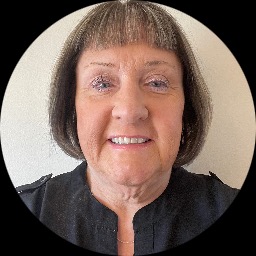
Part 1 of 4
- Trauma-informed care
- Skills for daily life
- Respectful and compassionate
About Stephanie
She shapes conversation and plans to fit each person’s needs instead of using a one-size-fits-all approach. That means listening first, then working with the person to decide practical next steps. She has long experience supporting people who have faced trauma and abuse and those coping with major life changes.
Her work also includes support for first responders such as firefighters, police officers, and healthcare workers who have experienced trauma on the job. Stephanie helps these clients process difficult events and manage stress that follows intense work experiences.
Sessions often focus on teaching skills people can use between meetings, like managing strong emotions and handling upsetting thoughts. She draws from approaches that emphasize relationships, present-focused skills, and practical behavior strategies to make daily life easier.
Taking the first step can feel hard, and Stephanie tries to make that step straightforward. She invites people to start by filling out the initial matching questionnaire and scheduling a time that fits their needs. The goal is to make therapy a useful part of getting through hard moments.
Part 2 of 4
Therapeutic approaches and how they work online
Attachment-Based Therapy looks at how past and present relationships shape feelings and behavior. It can help people who struggle with trust, emotional closeness, or attachment issues by focusing on patterns and improving connection with others.Client-Centered Therapy centers on the person's experience. The therapist listens deeply, reflects what is said, and helps people find their own solutions to problems like anxiety, grief, or life transitions.
Cognitive Behavioral Therapy, or CBT, helps people notice unhelpful thoughts and change behaviors that keep problems going. It is useful for anxiety, depression, sleep and eating concerns, and many daily coping challenges.
Finding the right approach is part of the work together. Stephanie will help figure out which methods fit a person's needs, goals, and preferences, and she adjusts the plan as progress is made. That conversation is collaborative and ongoing.
If you are considering online therapy, confirm available session formats before booking since specific formats are not listed in the biography. Online work can make it easier to fit appointments into a busy life, reduce travel time, and allow shorter check-ins when a full session is not needed. It can also let people meet from different locations within the same state while keeping therapy as a regular part of their routine.
Part 3 of 4
Areas of expertise
Primary focus
Also works with
Additional focus areas
Therapeutic approaches
Experience
37+ years
Credentials
Minnesota
Languages
English
Part 4 of 4
Frequently asked questions
What concerns does Stephanie commonly help with?
She works with stress, anxiety, depression, trauma and abuse, grief, relationship and intimacy issues, addictions, ADHD, bipolar concerns, and related struggles listed in her specialty areas.
What is her general therapy style like?
Her approach is warm and practical. She listens, tailors conversation to each person, and focuses on steps people can use between sessions.
How much experience does she have?
She brings 37 years of professional experience in behavioral health and social work.
What are her credentials and where does she practice?
She holds a Minnesota LICSW and practices in Minnesota.
Which languages are supported for sessions?
Sessions are offered in English.
Can international clients work with her?
She does not accept international clients at this time.
How does cost and scheduling work?
Cost varies with location and therapist availability; sessions use a subscription that can be canceled at any time.
How do I begin working with her?
Use the Start Therapy button, complete the short matching questionnaire, and schedule according to therapist availability.