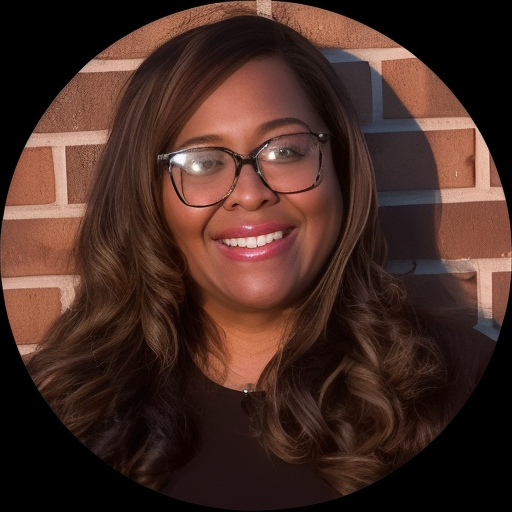
Part 1 of 4
- Anxiety and depression
- Relationship support
- Traumatic brain injury
About Shatra'
She often helps people work through relationship and communication problems. She supports those coping with workplace stress, commitment questions, and the emotional fallout of separation or divorce. She also works with people managing caregiver stress, blended family issues, and concerns common in young adults and women.
Shatra' pays attention to how each person’s background and identity shape their struggles. She emphasizes building self-love, improving social confidence, and setting realistic goals. She uses evidence-based therapeutic techniques to guide sessions and tailor them to what each person needs.
For people affected by traumatic brain injury, she includes practical strategies to manage emotional and daily-life challenges. Sessions focus on concrete skills, clearer communication, and coping plans that fit the person’s day-to-day reality.
Her work is collaborative: she listens, offers feedback, and helps clients try new approaches between sessions. With four years of clinical experience, she blends empathy with action to help clients make steady progress.
Part 2 of 4
How evidence-based techniques translate to online care
Shatra' uses evidence-based therapeutic techniques to help people build skills and solve problems. One common approach she uses focuses on skill building for anxiety and depression, teaching manageable steps to reduce worry and increase activity. Another approach emphasizes improving communication and relationships by practicing clearer expression and setting boundaries, which helps with workplace stress and relationship issues.Choosing the right approach is a collaborative process. The therapist will work with each person to identify goals, try methods that fit their needs, and adjust as progress is made. This means the plan can change over time based on what helps most.
If you are considering online therapy, confirm the session formats before booking since the biography does not list them. Online options can make it easier to fit therapy into a busy schedule, reduce travel time, and allow shorter check-ins when that suits the day. Talk with the therapist about what will work best for timing, session length, and how to practice new skills between meetings.
Part 3 of 4
Areas of expertise
Primary focus
Additional focus areas
Experience
4+ years
Credentials
Wyoming
Languages
English
Part 4 of 4
Frequently asked questions
What kinds of concerns does she help with?
She helps people facing stress, anxiety, depression, low self-esteem, and major life changes. Additional focus areas include workplace issues, relationship and communication problems, and traumatic brain injury challenges.
What is her therapeutic style?
Her style is practical and collaborative. She listens, gives clear feedback, and works with clients to develop actionable coping strategies.
How much experience does she have?
She has four years of clinical experience as a licensed social worker. That experience informs her work with emotional challenges and life transitions.
What credentials and location are listed?
She holds the credential LCSW and practices in Wyoming.
In which language are sessions offered?
Sessions are offered in English and she is not currently accepting international clients.
Which session formats are available?
The original biography does not list specific session formats. Please confirm current session options with the service before scheduling.
How does billing and cost work?
Cost varies with location and therapist availability, and sessions use a subscription that can be canceled at any time.
How do I begin working with her?
Click the Start Therapy button, complete the short matching questionnaire, and schedule according to the therapist's availability.