Part 1 of 4
- Focus on daily habits
- Values-guided work
- Practical coping skills
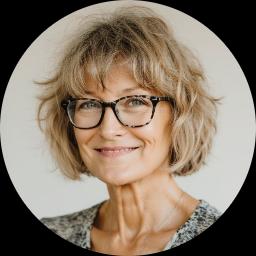
About Sally
She draws on about 20 years of experience using practical talk therapy methods. Sessions focus on clear goals, small steps, and skills that can be used between meetings. Health habits like sleep and nutrition are part of the work when they affect mood and energy.
Dr. Good uses Acceptance and Commitment Therapy, Client-Centered Therapy, and Cognitive Behavioral Therapy to guide sessions. That means helping people notice unhelpful thoughts, practice acceptance, and take actions that match their values. She also writes about brain health and has published materials on gentle lifestyle changes to reduce dementia risk.
Her background includes writing a gratitude and prayer journal and a book called Preventing Dementia Using Gentle Lifestyle Changes. She hosts a podcast titled Goodbody/Goodbrain, which discusses health and wellness topics. Those resources reflect her interest in the link between daily routines and emotional well-being.
People who choose her often want straightforward, practical tools and a calm space to talk things through. She aims to empower people to build habits and perspectives that support longer-term coping and resilience.
Part 2 of 4
How ACT, CBT, and Client-Centered Work Online
Acceptance and Commitment Therapy helps people notice thoughts and feelings without getting stuck on them and then choose actions that match their values. It is useful for anxiety, stress, and life-direction questions. Cognitive Behavioral Therapy focuses on identifying and changing unhelpful thinking and behavior patterns, which can ease depression, worry, and sleep problems. Client-Centered Therapy emphasizes listening and empathy, giving people a calm space to talk through concerns and build motivation.Finding the right approach is part of therapy. The therapist will collaborate with each person to see which methods fit their goals and preferences. That may mean combining elements of ACT, CBT, and client-centered work as needs evolve.
Confirm current session options before booking since formats are not specified here. Online sessions can make it easier to fit therapy into a busy day, reduce travel time, and allow check-ins during a lunch break or between appointments. They also let people use communication styles that work for them, such as speaking or focusing on exercises together, while keeping the practical aim of improving daily routines and coping skills.
Part 3 of 4
Areas of expertise
Also works with
Additional focus areas
Therapeutic approaches
Experience
20+ years
Credentials
Texas
Languages
English
Part 4 of 4
Frequently asked questions
What kinds of concerns does this therapist help with?
Dr. Good supports people facing stress, anxiety, depression, grief, low self-esteem, sleep problems, career issues, and coping with life changes. She also works with many additional concerns like caregiver stress, aging and geriatric issues, and multicultural matters.
How would you describe the therapy style here?
Therapy is practical and person-focused. Sessions emphasize clear goals, small steps, and skills people can use between meetings.
What is the clinician's experience?
The therapist brings about 20 years of experience helping people with mood, anxiety, grief, and behavior change. She also authors books and hosts a podcast on health and brain topics.
What credential does the therapist hold and where are they based?
The clinician is listed as TX Psychologist 33204 and practices in Texas.
Which languages are supported for sessions?
Sessions are offered in English.
Can people outside the country work with this therapist?
International clients are not currently accepted.
How are fees and payment handled?
Cost varies with location and therapist availability, and sessions use a subscription that can be canceled at any time.
What should I do to begin working with this clinician?
Click the Start Therapy button, complete a short matching questionnaire, and schedule according to the therapist's availability.