Part 1 of 4
- Practical skill building
- Values centered care
- Trauma informed focus
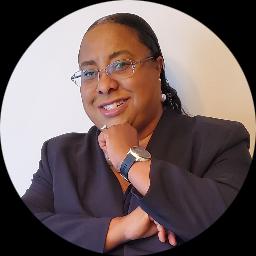
About Rosetta
She draws on twenty years of experience and an approach that centers the client's own strengths and choices. Sessions focus on clear, manageable steps and on building skills that make everyday life easier. Dr. Parker-Austin uses methods that help people notice unhelpful patterns and try new ways of responding.
Her work includes Acceptance and Commitment Therapy and Cognitive Behavioral Therapy to address thoughts and behaviors. She also uses Client-Centered and Emotionally-Focused approaches to deepen understanding of personal values and relationships. Dialectical Behavior Therapy skills appear when people need support with strong emotions and impulsive choices.
People seeking help for caregiver stress, veteran and first responder issues, blended family challenges, money worries, or feelings of isolation will find a practical focus in sessions. She pays attention to communication problems, control issues, guilt, and forgiveness so clients can move toward clearer decisions.
Dr. Parker-Austin is licensed as an LPC and practices in Georgia. She encourages anyone ready to begin to take the next step and notes that starting therapy is a courageous choice.
Part 2 of 4
How therapy approaches translate to online care
Acceptance and Commitment Therapy (ACT) helps people clarify what matters most to them and take small steps toward those values. It is useful for anxiety, stress, and problems that come from feeling stuck. Cognitive Behavioral Therapy (CBT) focuses on noticing and changing unhelpful thoughts and behaviors with practical exercises that can reduce anxiety and improve mood. Client-Centered Therapy centers the client’s experience and uses empathic listening to help people make sense of their feelings and goals.Finding the right approach is part of the process. The therapist will work with the person to decide which methods suit their needs, goals, and preferences. That choice is collaborative and can change over time as progress is made.
If you are considering online therapy, confirm the specific session options before booking. The practical advantages of remote work include fitting sessions into a busy schedule, making it easier to maintain continuity during life transitions, and choosing formats that match energy or bandwidth needs. Many people find online sessions useful for regular skill practice and check-ins that keep momentum between in-person moments. Licensed professionals can help tailor the mix of approaches and timing so therapy fits everyday life.
Part 3 of 4
Areas of expertise
Primary focus
Also works with
Additional focus areas
Therapeutic approaches
Experience
20+ years
Credentials
Georgia, South Carolina
Languages
English
Part 4 of 4
Frequently asked questions
What concerns does she address?
She helps people with stress, anxiety, trauma and abuse, anger, bipolar challenges, and coping with life changes, plus related issues like self-esteem, career, and caregiver stress.
How would you describe her therapeutic style?
Her style is practical and collaborative. She centers the client's strengths, sets clear steps, and practices skills during sessions.
What is her professional background?
She has twenty years of professional experience working in clinical and coaching roles and brings that experience into sessions.
What credentials and location are listed?
She is an LPC licensed to practice and is based in Georgia.
Which languages are supported for sessions?
Sessions are offered in English.
Are international clients supported?
International clients are not currently accepted.
How are fees and payment handled?
Cost varies with location and also with therapist availability; sessions use a subscription that can be canceled at any time.
How do I begin working with her?
Click the Start Therapy button, complete a short matching questionnaire, and schedule a session according to therapist availability.