Part 1 of 4
- Mindfulness based
- Trauma aware
- Practical tools
About Rebecca
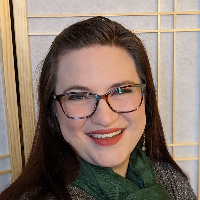
She describes her style as warm, empathetic, and occasionally playful. Sessions are grounded in mindfulness and center on the person in the room. She aims to help people notice patterns, build small practical tools, and treat themselves with more compassion.
Rebecca has worked with people who have histories of complex trauma, including intergenerational trauma and childhood attachment difficulties. She also has experience helping those managing anxiety, depression, bipolar symptoms, and a range of personality challenges. These experiences inform a cautious, trauma-aware way of working.
Her practice brings together Attachment-Based ideas, client-centered listening, and cognitive-behavioral techniques when useful. She emphasizes collaboration and focuses on what a person wants to change now. This keeps sessions practical and oriented toward concrete steps.
Rebecca often helps people facing addictions, grief, caregiver stress, chronic illness, ADHD, sleep struggles, and struggles with self-esteem or body image. She supports LGB T clients and people coping with life transitions. Her approach is to walk alongside clients and help them build tools that fit everyday life.
Part 2 of 4
Approaches that guide online sessions
Attachment-Based Therapy focuses on how early relationships shape current patterns. It looks at how people connect, withdraw, or get stuck and helps them try new ways of relating that feel safer and more effective. Cognitive Behavioral Therapy, or CBT, breaks down patterns of thoughts and behaviors into manageable parts and builds practical exercises to shift them over time. Mindfulness Therapy teaches simple attention and breathing practices to reduce reactivity and improve stress management; it is often paired with other work to help people feel steadier day to day.Finding the right mix of approaches is part of the work. The therapist will collaborate with each person to decide what feels most useful based on current needs, goals, and preferences. That means trying things, checking in, and adjusting the plan rather than committing to a single method from the start.
The biography does not list specific online formats, so please confirm available session types before booking. In general, online therapy can make it easier to fit sessions into busy schedules, reduce travel time, and allow quicker check-ins between appointments. Some formats are better for quieter conversations, others for shorter follow-ups or when video is difficult. Rebecca uses her clinical approaches to shape sessions so techniques translate into everyday life and coping strategies that can be practiced between meetings.
Part 3 of 4
Areas of expertise
Primary focus
Also works with
Additional focus areas
Therapeutic approaches
Experience
8+ years
Credentials
New York
Languages
English
Part 4 of 4
Frequently asked questions
What concerns does Rebecca help with?
She works with stress, anxiety, addictions, trauma and abuse, anger, coping with life changes, grief, sleep problems, self-esteem, bipolar and depression, and related issues such as ADHD and caregiver stress.
How would you describe her therapeutic style?
Her style is warm, empathetic, and sometimes playful. She uses mindfulness and client-centered approaches and keeps sessions focused on practical steps.
What background informs her work?
She has eight years of clinical experience, with a primary history working with people affected by substance use and complex trauma including attachment concerns.
What credential and location does she hold?
She is a Licensed Mental Health Counselor, listed as NY LMHC, and practices in New York.
Can sessions be done in other languages or from other countries?
Sessions are offered in English. She does not accept international clients.
What session formats are offered?
The original biography does not specify session formats. Please confirm current session options before booking.
How does payment and cost work?
Cost varies with location and therapist availability; sessions use a subscription that can be canceled at any time.
What is the first step to begin therapy?
Select the Start Therapy button, complete a short matching questionnaire, and schedule according to the therapist's availability.