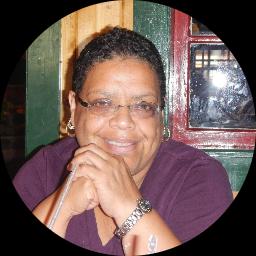
Part 1 of 4
- Client-centered care
- CBT and EFT tools
- English and Spanish
About Rachael
Her sessions are conversational and goal-focused. Rachael listens first, then helps people name practical steps they can try. She uses straightforward tools to address motivation, emotion regulation, and daily habits that affect mood and sleep.
Rachael draws on client-centered methods to keep the person’s goals central. She also uses cognitive behavioral techniques to identify unhelpful thinking and to practice different behaviors. Emotionally-focused ideas help when relationships or strong feelings are the main issue.
She has worked with a wide range of life challenges across her career, including caregiving stress, chronic illness, bereavement, and issues tied to adoption and abandonment. Rachael also supports people dealing with compassion fatigue and the stress of major life events.
Rachael offers services in both English and Spanish. Her approach is collaborative - she and the person she’s working with shape the plan together. To begin, she asks a few questions to match goals with the right steps.
Part 2 of 4
How therapeutic approaches work in online care
Client-Centered Therapy focuses on listening and understanding what matters most to the person. The therapist follows the client’s lead and helps people clarify their goals and values, which can help when motivation or self-esteem are concerns.Cognitive Behavioral Therapy, or CBT, looks at how thoughts, feelings, and actions interact. It breaks problems into manageable steps and uses practical exercises to change unhelpful thinking and build new habits, which can be useful for anxiety, depression, and sleep issues.
Finding the right approach is a team effort. Rachael will talk with the person about needs, goals, and what feels comfortable, then try methods that match those priorities. Goals, pace, and techniques are adjusted together as work proceeds.
Confirm the available session options before booking, as formats are not specified here. Online therapy can make it easier to fit appointments into busy days, reduce travel time, and allow shorter check-ins when schedules are tight. It also makes it easier to meet with someone who speaks English or Spanish without needing to travel. Licensed professionals can adapt these approaches to work through traumatic brain injury concerns alongside other issues, focusing on practical skills and emotional coping rather than offering diagnostic services.
Part 3 of 4
Areas of expertise
Primary focus
Also works with
Additional focus areas
Therapeutic approaches
Experience
25+ years
Credentials
New York
Languages
English, Spanish
Part 4 of 4
Frequently asked questions
What concerns does Rachael help with?
She helps people facing stress, anxiety, grief, anger, low self-esteem, depression, addictions, sleep issues, and compassion fatigue, among other life challenges.
What is her therapeutic style like?
Rachael keeps sessions conversational and goal-oriented, focusing on practical steps and listening closely to each person’s needs.
How long has she practiced?
Rachael has 25 years of professional experience working with a range of emotional and life issues.
What credentials and location are listed?
She is a Licensed Clinical Social Worker (LCSW) licensed in New York and practices in that state.
Which languages are supported?
Sessions are offered in English and Spanish.
Can people outside the United States work together?
International clients are not currently accepted.
How are costs handled?
Cost varies with location and therapist availability; sessions use a subscription that can be canceled at any time.
How do I get started with therapy?
Click the Start Therapy button, complete a short matching questionnaire, and schedule sessions according to the therapist’s availability.