Part 1 of 4
- Stress and anxiety
- Addiction support
- Relationship focus
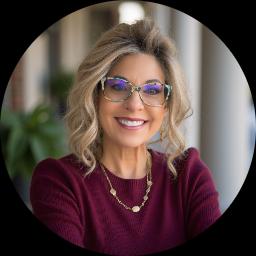
About Paula
She brings 17 years of clinical experience to her work and emphasizes finding small positives in daily life to build motivation. Sessions focus on tools and strategies that people can use between meetings. The therapist commits to listening without judgment and helping each person set realistic goals.
Her style is collaborative and down-to-earth. She draws from client-centered methods to follow the person's lead, while using cognitive behavioral techniques to identify unhelpful thoughts and behaviors. Dialectical Behavior Therapy tools are used for managing intense emotions and building coping skills.
Dr. Ehrmantraut also uses emotionally-focused ideas to address relationship patterns and existential approaches to explore meaning and values. Treatment plans are adapted to each person's situation, with attention to practical steps and self-kindness practices.
People who reach out can expect a steady, compassionate clinician who focuses on concrete strategies and personal strengths. The work is paced to match each person's readiness to change, with the aim of improving daily functioning and emotional balance.
Part 2 of 4
Approaches you can use in online sessions
Client-centered therapy focuses on the person's experience and priorities. The therapist listens closely and follows the person's lead to build trust and clarify what matters most. This approach helps when someone needs acceptance and a steady, respectful space to talk.Cognitive Behavioral Therapy, or CBT, looks at thoughts and behaviors that keep problems going. It uses practical exercises and small homework steps to change unhelpful patterns. CBT is often used for anxiety, depression, and stress-related issues.
Dialectical Behavior Therapy, DBT, offers specific skills for managing strong emotions and improving relationships. It teaches breathing and grounding methods, emotion regulation, and ways to improve communication under pressure.
Finding the right approach is part of the work. The therapist will talk with each person about their goals, needs, and preferences and will recommend methods that fit. The choice is collaborative and can change as the work progresses.
Online therapy can make it easier to fit sessions into a busy life, reduce travel time, and allow shorter check-ins when needed. Session formats are not specified here, so confirm current options before booking. Many people find that remote sessions allow them to practice skills in real time and bring immediate life situations into discussion.
Part 3 of 4
Areas of expertise
Primary focus
Additional focus areas
Therapeutic approaches
Experience
17+ years
Credentials
Montana, Washington, South Dakota, Utah
Languages
English
Part 4 of 4
Frequently asked questions
What concerns does this therapist address?
She supports people with stress, anxiety, addiction, depression, relationship and LGBT-related concerns, plus related issues like communication problems and chronic pain.
What is her therapeutic style?
Her style is collaborative and practical. She listens without judgment and helps people build daily skills and realistic goals.
How much experience does she have?
She has 17 years of clinical experience working with a range of mental health and life concerns.
What credentials and location are listed?
Credentials include LCPC, LPC, and LPC-MH, and the practice is based in South Dakota.
In which languages can sessions be held?
Sessions are offered in English.
Can people outside the U.S. work with this therapist?
International clients are accepted for therapy.
How are sessions priced?
Cost varies with location and therapist availability; sessions use a subscription that can be canceled at any time.
How do I begin working with her?
Select the Start Therapy button, complete a short matching questionnaire, and schedule according to therapist availability.