Part 1 of 4
- Strengths-based approach
- Goal oriented work
- Respectful and affirming
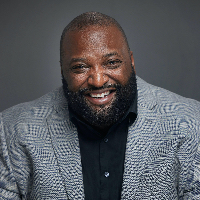
About Patrick
His style blends several ways of working to match each person's needs. Sessions focus on clear goals, skill building, and honest conversation. He uses a strength-based, respectful approach and avoids stigmatizing labels.
Dr. Casthely works with a wide range of concerns, including stress, anxiety, addictions, relationship and intimacy issues, grief, parenting strain, and trauma and abuse. He also addresses areas like body image, chronic pain and illness, caregiver stress, and career questions. He lists traumatic brain injury as one area of focus within his broader practice.
In practical terms he aims to tailor therapy to what each person wants to achieve. That can mean learning new coping skills, reworking unhelpful thoughts, or telling and reframing personal stories to make sense of hard experiences. He emphasizes collaboration and respects each client's pace.
Parents reading this will find straightforward talk and a focus on usable tools. He describes his work as honoring mind, body, and spirit while helping people find clearer ways forward.
Part 2 of 4
How his therapeutic approaches fit with online work
Client-Centered Therapy focuses on listening and reflecting back what matters to the client. It helps people who need a calm, nonjudgmental space to sort out feelings and choices.Cognitive Behavioral Therapy (CBT) looks at the links between thoughts, feelings, and actions and teaches concrete skills to change unhelpful patterns. It is often used for anxiety, depression, and stress management.
Narrative Therapy invites people to tell their stories and then consider alternate ways to view those stories. This can help with identity, relationship issues, and recovering from painful events.
Finding the right approach is part of the work together. The therapist will discuss goals, preferences, and what feels most useful, then try methods that match those needs. The process is collaborative and adjusts as progress is made.
Session logistics should be confirmed before booking since specific formats are not listed in the biography. Online therapy can make it easier to fit sessions into a busy week, reduce travel time, and allow shorter check-ins when needed. It can also help when someone prefers not to use video or needs a session that works around a tight schedule.
Part 3 of 4
Areas of expertise
Primary focus
Also works with
Additional focus areas
Therapeutic approaches
Experience
30+ years
Credentials
Florida
Languages
English
Part 4 of 4
Frequently asked questions
What kinds of problems does he help with?
He works with many concerns including stress, anxiety, addictions, relationship and intimacy issues, depression, trauma and abuse, grief, parenting, and compassion fatigue.
What is his general therapy style?
He uses an eclectic, person-centered style that blends practical skills, talk therapy, and narrative work to fit each person’s goals.
How long has he been practicing?
He has 30 years of experience in community mental health, substance abuse treatment, and private practice.
What credential does he hold and where is he located?
He is a Licensed Mental Health Counselor (LMHC) and practices in Florida.
Does he offer sessions in other languages?
Sessions are offered in English.
Can people outside the United States work with him?
International clients are not currently accepted.
How are fees handled?
Cost varies with location and therapist availability; sessions use a subscription that can be canceled at any time.
How do I begin working with him?
Use the Start Therapy button, complete a short matching questionnaire, and schedule according to therapist availability.