Part 1 of 4
- Client-centered approach
- Focus on trauma
- Affirming care
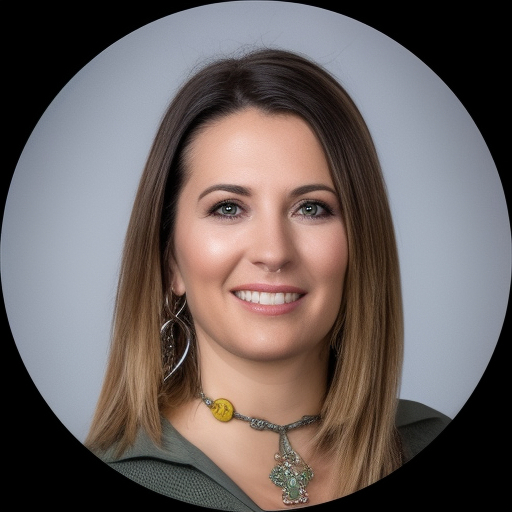
About Monica
She focuses on building self-compassion and clearer communication. Sessions often cover grief, body image, attachment concerns, workplace stress, and major life changes such as divorce or midlife shifts. Monica also supports people coping with panic, OCD, PTSD, and processing past abuse.
Monica pays close attention to neurodivergent people and LGBTQ+ individuals, and she works to make therapy affirming and nonjudgmental. Her practice centers on listening first, then collaborating on goals that feel doable. She believes clients know their story best and offers guidance to help them move forward.
Her style blends client-centered conversation with structured tools when they are helpful. Monica uses approaches that help people change unhelpful thoughts, manage intense emotions, and repair attachment patterns. Over a decade of practice informs how she balances practical skills with deeper emotional work.
People who choose her often want both compassion and concrete steps to handle daily life. To begin, prospective clients complete a short matching questionnaire and schedule sessions based on availability. Fees vary by location and use a cancellable subscription model.
Part 2 of 4
How her approaches translate to online therapy
Monica uses Attachment-Based Therapy to look at how early and current relationships shape how people relate and feel. This approach can help when trust, closeness, or codependency are part of the problem. Client-Centered Therapy is about listening without judgment and letting the client's priorities guide each session, which helps people regain confidence and self-direction. Cognitive Behavioral Therapy, or CBT, focuses on identifying unhelpful thoughts and testing new behaviors to reduce anxiety and depressive symptoms.Choosing the right approach is a team effort. Monica will work with each person to match methods to their goals and preferences, adjusting strategies as progress is made. The plan can shift over time based on what helps most.
If you are considering online sessions, confirm the current session options before booking so you know what formats are offered. Online work can make it easier to fit therapy into a busy schedule, allow for shorter check-ins when needed, and reduce travel time. Many people find it simple to practice CBT exercises or attachment-focused conversations in a remote setting while keeping therapy consistent with everyday life.
Part 3 of 4
Areas of expertise
Primary focus
Also works with
Additional focus areas
Therapeutic approaches
Experience
10+ years
Credentials
Utah
Languages
English
Part 4 of 4
Frequently asked questions
What kinds of concerns does Monica address?
She works with people facing anxiety, depression, stress, trauma, addictions, and relationship difficulties, plus related issues like grief, body image, and parenting strain.
How does she approach therapy?
Her style is collaborative and client-centered, combining listening with practical tools drawn from several evidence-informed approaches to meet concrete goals.
What is her professional background?
Monica has about 10 years of clinical experience supporting people through major life changes and trauma recovery.
Where is Monica licensed and practicing?
She is a Licensed Clinical Mental Health Counselor, LCMHC, practicing in Utah.
Which languages are supported for sessions?
Sessions are offered in English, and Monica accepts international clients.
What session formats are used?
Confirm current session options before booking so you know which formats are available for scheduling.
How are fees handled?
Fees vary by location and therapist availability, and sessions use a subscription that can be canceled at any time.
How do I begin therapy with Monica?
Click the Start Therapy button, complete a short matching questionnaire, and schedule sessions according to therapist availability.