Part 1 of 4
- Warm calm approach
- Grief and illness
- Attachment focus
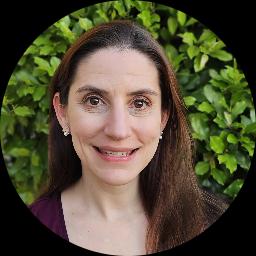
About Miranda
She has spent much of her career supporting people in hospice and palliative care, pediatric oncology, military and veterans contexts, and bereavement and grief counseling. That background informs how she approaches conversations about serious illness, caregiver strain, and loss. Miranda uses straightforward listening and steady support to help people find manageable next steps.
Her work draws on Attachment-Based Therapy and Client-Centered Therapy to strengthen relationships with self and others. She also uses Cognitive Behavioral Therapy to address unhelpful thinking patterns and Emotionally-Focused Therapy to help people name and process feelings. These approaches are mixed to match each person’s needs.
Miranda helps people coping with chronic pain, illness, and disability, as well as issues like abandonment, family of origin concerns, body image, and communication problems. She also supports those dealing with aging and geriatric questions, cancer, and caregiver stress. Her practice reflects nearly two decades of direct clinical experience.
Based in Colorado, Miranda works in English and holds both a Colorado LCSW and a California LCSW. To begin, people are invited to follow the site’s intake process to connect with her and schedule sessions.
Part 2 of 4
How therapeutic approaches translate to online work
Attachment-Based Therapy focuses on relationships and how past bonds shape current emotional responses. Online sessions can help people notice patterns in how they relate and practice new ways of connecting and communicating. Client-Centered Therapy centers the person’s experience and uses empathic listening to help people name what matters most; this approach helps build trust and clarity about goals during remote conversations.Choosing an approach is collaborative. The therapist will talk with the person about strengths, worries, and what they hope to change. Together they decide which methods to try and adjust over time if something does not fit.
Confirm the exact session options before booking since the biography does not list formats. In general, online work can make it easier to fit therapy into a busy life by reducing travel time, allowing shorter check-ins when needed, and offering more flexible scheduling. It can also let someone participate without being on camera if that feels better, or choose a longer session when deeper processing is needed.
Part 3 of 4
Areas of expertise
Additional focus areas
Therapeutic approaches
Experience
19+ years
Credentials
Colorado, California
Languages
English
Part 4 of 4
Frequently asked questions
What concerns does Miranda commonly address?
She helps people with stress, anxiety, grief, low self-esteem, depression, and coping with major life changes. Additional focuses include caregiver stress, chronic illness, family of origin issues, and communication problems.
What is her therapeutic style like?
Her style is described as warm and calm, with an emphasis on listening so people feel heard and respected. She combines relational and practical methods to help people move forward.
How much clinical experience does she have?
She brings 19 years of clinical experience working in hospice, palliative care, pediatric oncology, military and veterans settings, bereavement, and caregiver support.
What credentials and location are on record?
She holds LCSW and CSW credentials and maintains a Colorado LCSW and a California LCSW. Her practice is based in Colorado.
Which languages are supported for sessions?
Sessions are offered in English.
Can people outside the United States work with her?
She is not currently accepting international clients.
How does cost and billing work?
Cost varies with location and therapist availability, and sessions use a subscription that can be canceled at any time.
What are the first steps to start working together?
Use the Start Therapy button, complete a short matching questionnaire, and schedule according to the therapist’s availability.