Part 1 of 4
- Focus on self-esteem
- Career and coaching
- Values-based action
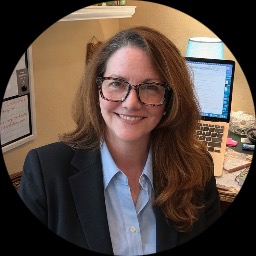
About Michelle
She uses practical approaches that help people take action and build skills. That can include Acceptance and Commitment Therapy to clarify values and commit to small steps, Cognitive Behavioral Therapy to spot unhelpful thinking, and Client-Centered Therapy to make space for people to be heard. Mindfulness and Narrative Therapy ideas may also be woven in when useful.
Michelle often supports people facing compassion fatigue, career transitions, and struggles with self-love or body image. She also lists traumatic brain injury among areas she focuses on, and she helps people cope with illness, communication problems, isolation, and life purpose questions. Sessions tend to emphasize clear goals and doable changes.
Her approach is collaborative: she works with each person to shape a plan that fits their life and goals. She describes therapy as a process that requires courage, and she aims to make that process easier to navigate. The work is practical, paced to what someone can manage, and aimed at steady progress.
Michelle practices in Florida as an LCSW. She offers help for people who want more confidence, clearer direction, or better day-to-day coping skills.
Part 2 of 4
How therapy approaches guide online work
Acceptance and Commitment Therapy (ACT) helps people clarify what matters to them and take small, value-based actions. It can be useful for someone facing life changes, career crossroads, or challenges after illness. Cognitive Behavioral Therapy (CBT) focuses on noticing patterns of thought and behavior and trying practical experiments to shift them. This approach often helps with low self-esteem, communication struggles, and coping skills. Client-Centered Therapy centers the person's experience and uses empathic listening to create space for reflection and growth; it can help when someone needs support to sort through feelings and make decisions.Finding the right approach is part of the work together. The therapist will talk with each person about goals, preferences, and what feels most useful. Over time the plan can include exercises, mindset work, or skills practice based on what the person needs and wants to try.
Confirm the current session options before booking since formats are not specified in this profile. Online therapy can make it easier to fit sessions into a busy week, reduce travel time, and allow for shorter check-ins or longer conversations depending on what is needed. Many people find that remote sessions help them keep momentum between appointments and apply what they practice directly to daily life.
Part 3 of 4
Areas of expertise
Primary focus
Additional focus areas
Therapeutic approaches
Experience
25+ years
Credentials
Florida
Languages
English
Part 4 of 4
Frequently asked questions
What kinds of concerns does Michelle address?
She helps people with self-esteem, career issues, coping with life changes, and compassion fatigue. Additional focus areas include body image, cancer, communication problems, forgiveness, isolation, life purpose, self-love, traumatic brain injury, and women's issues.
What is her therapy style like?
Therapy is collaborative and practical. Sessions focus on clear goals, everyday steps, and tailoring conversation to each person's needs.
How much experience does she have?
Michelle brings 25 years of professional experience to her practice. That background includes work on motivation, confidence, and executive or professional coaching.
What credentials and location are on record?
She holds the credential LCSW and practices in Florida. The profile lists her as a licensed clinical social worker in that state.
Which languages are supported?
Sessions are offered in English.
Can international clients work with her?
She is not accepting international clients at this time.
How are sessions scheduled and what do they cost?
Cost varies with location and therapist availability and sessions use a subscription that can be canceled at any time. Specific pricing is provided during the scheduling process.
How do I begin working together?
Click the Start Therapy button, complete a short matching questionnaire, and then schedule according to the therapist's availability.