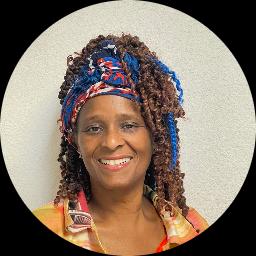
Part 1 of 4
- Trauma-informed care
- Focus on resilience
- Practical coping skills
About Michele
She uses straightforward, person-focused care rather than jargon. Sessions often focus on improving communication, managing anxiety and stress, and reducing shame. Michele emphasizes workable coping strategies clients can use between meetings and practical steps toward healthier routines.
Her background covers a wide range of concerns, including depression, ADHD, caregiver stress, chronic illness and pain, and issues tied to adoption and foster care. She also addresses challenges linked to aging, attachment issues, and codependency. Michele adapts her approach to each person's history and current needs.
In practice she blends several therapeutic styles. She prioritizes a warm, collaborative relationship and pays attention to how past experiences shape present feelings and behaviors. Michele helps people notice patterns, try small changes, and track what actually helps them feel better.
Clients can expect clear communication about goals and steady, compassionate support while working toward change. Michele works in English and accepts international clients, and she asks prospective clients to confirm session options before scheduling.
Part 2 of 4
How Michele’s approaches translate to online work
Attachment-based work looks at how early relationships shape current feelings and behaviors. Online sessions can help people notice those patterns and try different ways of relating in everyday life. Client-centered therapy focuses on accepting the person and following their pace; this approach supports conversations about current challenges and personal goals without pressure. Cognitive behavioral therapy, or CBT, breaks problems into thoughts, feelings, and actions and then tests small changes to see what helps. It is often used for anxiety, depression, and stress-related concerns.Choosing the right approach is part of the process. Michele will talk with each person about their needs, goals, and preferences and collaborate on a plan. She adapts methods over time based on what the client finds useful, so the work stays practical and focused on real-life improvements.
The main practical benefit of online sessions is being able to fit therapy into daily life more easily. Many people find it simpler to schedule a shorter check-in during a break or to avoid travel time. Because session formats were not specified in the biography, confirm which options are offered before booking so you know what will fit your routine. Online work aims to make regular progress possible while matching therapy to your circumstances.
Part 3 of 4
Areas of expertise
Primary focus
Also works with
Additional focus areas
Therapeutic approaches
Experience
26+ years
Credentials
Arizona
Languages
English
Part 4 of 4
Frequently asked questions
What kinds of concerns does Michele address?
She helps people with addiction recovery, trauma and abuse, grief, anxiety, depression, and relationship strain, along with parenting and caregiver stress.
How would you describe her therapeutic style?
Michele uses a warm, client-centered approach that focuses on practical coping skills and clearer communication. She works collaboratively to set goals and track progress.
What is her professional background?
She has 26 years of clinical experience and has supported people through life transitions, chronic illness, adoption and foster care concerns, and attachment issues.
What credentials and region are listed?
She is a licensed clinical social worker - LCSW - practicing in Arizona.
Which languages are available for sessions?
Sessions are offered in English, and Michele accepts international clients.
What session formats are offered?
Session formats were not specified in the biography; please confirm current session options with the platform before booking.
How are fees and payments handled?
Cost varies with location and therapist availability, and sessions use a subscription that can be canceled at any time.
What should I do to begin working with her?
Select the Start Therapy button, complete a short matching questionnaire, and schedule according to therapist availability.