Part 1 of 4
- Practical goal focus
- Relationship support
- Stress and coping
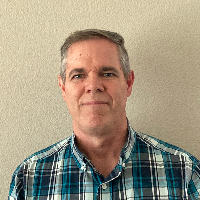
About Michael
He draws on client-centered work to make sessions feel collaborative and respectful. Cognitive Behavioral Therapy helps him map thoughts and behaviors that keep people stuck. Emotionally-Focused Therapy and psychodynamic ideas are used when relationship patterns and deeper hurts need attention.
Michael has long experience supporting people facing grief, addiction, chronic illness or pain, and the stresses of caregiving. He also helps with issues tied to family change - adoption, blended families, abandonment, and divorce-related concerns. His background includes work with relationship disappointment, workplace stress, and men's issues.
Sessions focus on clear goals and practical steps. He often frames therapy as coaching toward purpose and function in daily life. People can expect short-term strategies and longer conversations when needed.
Michael offers communications by phone and text, and sometimes video when that fits. He primarily works daytime hours on weekdays, with some evenings and occasional weekend afternoons. International clients may be supported in English.
Part 2 of 4
How his approaches translate to online therapy
Client-Centered Therapy focuses on listening, reflection, and following the client's pace to set useful goals; it is helpful for people seeking supportive, collaborative work on stress and self-esteem. Cognitive Behavioral Therapy (CBT) looks at links between thoughts, feelings, and actions and uses practical exercises to change unhelpful patterns; it is often used for anxiety, depression, and coping skills. Emotionally-Focused Therapy (EFT) centers on understanding emotions in relationships and can be useful when attachment or recurring conflict is the main concern.Finding the right approach is part of the therapy process. The therapist will work with the person to decide which methods fit their needs and goals. That decision is collaborative and may change as progress is made.
Michael lists phone, texting, and sometimes video as ways he connects with people, but confirm current session options before booking. Online work can make it easier to fit sessions into a busy life, allow shorter check-ins when needed, and reduce travel time. It also gives flexibility for daytime appointments and occasional evenings or weekend afternoons to accommodate different schedules.
Part 3 of 4
Areas of expertise
Primary focus
Also works with
Additional focus areas
Therapeutic approaches
Experience
33+ years
Credentials
Texas
Languages
English
Part 4 of 4
Frequently asked questions
What kinds of problems does he help with?
He helps people with stress, anxiety, depression, relationship and family concerns, grief, addictions, and coping with life changes including chronic illness and caregiving strain.
What is his therapy style like?
His approach is collaborative and practical, combining client-centered listening with goal-focused techniques to address thoughts, emotions, and relationship patterns.
How much experience does he have?
He brings 33 years of social work experience to his practice, working with people from many backgrounds on a wide range of issues.
What credentials and region apply to his practice?
He is a Licensed Clinical Social Worker, listed as LCSW, and practices from Texas.
Which languages are supported for sessions?
Sessions are offered in English, and he also accepts international clients who use that language.
What session formats are used?
He mentions phone and texting and sometimes video sessions; confirm current session options when scheduling to be sure of available formats.
How are fees and billing handled?
Cost varies by location and therapist availability, and sessions use a subscription that can be canceled at any time.
How do I begin working with him?
Select the Start Therapy button, complete the short matching questionnaire, and then schedule according to the therapist's availability.