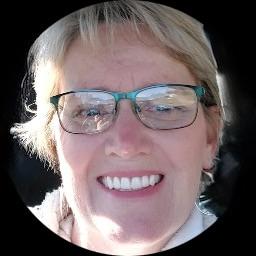
Part 1 of 4
- Strengths focused
- Clear practical tools
- Collaborative pace
About Melissa
Her sessions focus on practical problem solving and building on existing strengths. She listens for what matters most and helps people set realistic, achievable goals. Conversations often cover communication skills, coping tools for anxiety and depression, and ways to manage work or relationship strain.
Melissa has worked with people affected by chronic illness, caregiving stress, and situations that include isolation or grief. She also supports those navigating identity issues such as gender dysphoria and the social challenges sometimes tied to autism and Asperger Syndrome. Her approach is straightforward and person-centered, aimed at helping people move through difficult changes.
Clients can expect clear, step-by-step discussion about the problems they bring. Melissa helps break down worries into manageable actions and practices to try between sessions. She values collaboration and adjusts pacing to each person’s readiness.
Her license is LCSW, which stands for Licensed Clinical Social Worker. Melissa practices in Arkansas and conducts sessions in English. She invites people to take the next step when they feel ready to explore change and relief.
Part 2 of 4
How therapeutic approaches fit into online care
Melissa uses evidence-based therapeutic techniques that focus on practical skills and problem solving. One common approach emphasizes learning clear coping strategies for anxiety and depression, such as breathing exercises, activity planning, and step-by-step behavior changes to reduce symptoms and increase daily functioning.Another approach centers on improving communication and relationship skills. This involves practicing ways to express needs, set boundaries, and handle conflict more effectively, which can ease stress at work or in personal relationships.
Finding the right approach is part of the work together. The therapist will talk with each person about their goals, try strategies, and adjust methods based on what helps. This collaborative process aims to match techniques to a person’s needs and pace.
If you are considering online therapy, confirm the specific session formats available before booking. Many people find that remote sessions fit more easily into a busy day, allow for shorter check-ins when needed, and reduce travel time. Online work also makes it easier to practice real-life skills between meetings and to maintain continuity of care during life transitions.
Part 3 of 4
Areas of expertise
Primary focus
Additional focus areas
Experience
18+ years
Credentials
Arkansas
Languages
English
Part 4 of 4
Frequently asked questions
What concerns does Melissa commonly help with?
She supports people dealing with stress, anxiety, relationship strain, career difficulties, depression, and coping with life changes. Additional focus areas include chronic illness, caregiver stress, communication problems, and isolation.
How would you describe her therapy style?
She uses a practical, person-centered style that highlights a client’s strengths. Sessions focus on clear steps, communication skills, and coping strategies to use between meetings.
How much clinical experience does she bring?
Melissa has 18 years of professional work experience supporting people with a range of emotional and life concerns.
What are her credentials and where does she practice?
She holds an LCSW, which means Licensed Clinical Social Worker, and practices in Arkansas.
Which languages are supported for sessions?
Sessions are offered in English.
Can people outside the U.S. work with her?
She does not accept international clients at this time.
How does billing and cost work?
Cost varies with location and therapist scheduling; sessions use a subscription that can be canceled at any time.
What are the steps to begin therapy?
Click the Start Therapy button, complete a short matching questionnaire, and then schedule according to the therapist’s availability.