Part 1 of 4
- Addiction support
- Trauma-informed care
- Practical coping skills
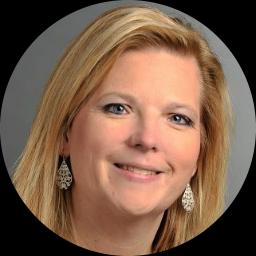
About Meg
Her work centers on practical steps people can take between sessions. She helps clients build coping skills for anxiety, depression, bipolar mood shifts, and grief. She also supports those facing parenting strain, caregiver stress, or the aftereffects of sexual assault and abuse.
Clients often want clear tools and achievable goals. She talks through ways to boost motivation, strengthen self-esteem, and manage anger. When substance use or compulsive behaviors are present, she addresses those concerns alongside other life challenges.
Dr. DePasquale draws on evidence-based therapeutic techniques to guide treatment choices. She collaborates with each person to match methods to goals rather than using a one-size-fits-all plan. This keeps sessions focused and relevant to daily life.
She brings 26 years of experience to clinical decision making and offers care in English. People interested in beginning therapy complete a short matching form and then schedule sessions that fit their needs. Her practice uses a subscription model that can be canceled at any time.
Part 2 of 4
How therapeutic approaches shape online work
Dr. DePasquale uses evidence-based therapeutic techniques that focus on practical change. One approach emphasizes skill-building for managing anxiety, mood swings, and stress by teaching breathing, grounding, and problem-solving steps that can be practiced between sessions. Another approach targets coping after trauma and abuse by helping people process upsetting memories at a pace they can handle while developing safety and emotional regulation skills.Finding the right approach is part of the process and happens together. She will explore your goals and needs, try methods that fit your situation, and adjust the plan if something is not helping. This collaborative path keeps work relevant and tied to what you want to change.
Session options are not specified in the biography, so confirm current online formats before booking. Many people appreciate online therapy because it can fit into busy schedules, remove travel time, and make it easier to keep regular appointments. Online conversations also make it simple to follow up on action steps from session and to check in quickly when life becomes hectic.
Part 3 of 4
Areas of expertise
Primary focus
Also works with
Additional focus areas
Experience
26+ years
Credentials
Maryland
Languages
English
Part 4 of 4
Frequently asked questions
What concerns does she address?
She helps people with addictions, trauma and abuse, anxiety, depression, bipolar disorder, grief, relationship strain, parenting stress, ADHD, and related problems.
What is her therapeutic style like?
Her approach is direct and practical. She focuses on clear skills, goal setting, and conversations that are nonjudgmental and solution oriented.
How much experience does she have?
She has 26 years of professional experience working in clinical settings and with individual clients.
What are her credentials and where is she based?
She holds the LCSW-C credential in Maryland and practices with that licensure in the state of Maryland.
Which languages are supported?
Sessions are offered in English.
Can international clients work with her?
International clients are not currently accepted.
How does cost and scheduling work?
Cost varies with location and therapist availability; sessions use a subscription that can be canceled at any time.
How do I begin working with her?
Click the Start Therapy button, complete a short matching questionnaire, and then schedule sessions according to therapist availability.