Part 1 of 4
- Trauma-informed care
- Skill focused
- Educational approach
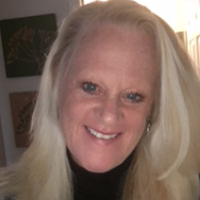
About Mary
Mary uses a blend of therapy styles rather than a single method. She emphasizes clear education about what is affecting a person, such as how trauma can influence the nervous system. That information is used alongside hands-on tools so clients can notice change between sessions.
Her background includes long work in diverse clinical settings and with varied populations. Over decades she has treated people dealing with co-occurring issues, addiction, and complex trauma. She has also supported people affected by serious incidents and large-scale events, and she notes a particular interest in veterans, first responders, and law enforcement concerns.
In session Mary focuses on skill-building for real life. She helps people practice techniques for managing mood, reducing reactivity, improving relationships, and coping with life changes. Sessions may include mindfulness exercises, thought-focused work, and skill rehearsal aimed at daily challenges.
People who prefer a collaborative, educational approach often find her style fits well. To begin, readers should confirm current session options and scheduling details before booking.
Part 2 of 4
How Mary Blends Approaches for Online Sessions
Client-centered work puts the person’s goals and preferences first. It focuses on listening, reflecting, and helping clients notice what matters most so they can set useful goals. Cognitive Behavioral Therapy, or CBT, looks at patterns of thought and behavior and teaches concrete skills to shift unhelpful thinking and reduce symptoms like anxiety or low mood. Dialectical Behavior Therapy, or DBT, adds practical skills for emotion regulation, distress tolerance, and improving relationships when feelings feel overwhelming.Finding the right approach is part of therapy. Mary works collaboratively to match methods to each person’s needs, goals, and comfort level. She introduces tools, checks what helps, and adjusts plans based on what the client reports between sessions.
The practical benefits of online work can include easier scheduling and fitting therapy around a busy life. Online sessions may reduce travel time and make it simpler to keep regular appointments. The biography did not specify which session formats are offered, so confirm current options before booking. A short intake and matching process helps decide whether a format and approach fit a person’s day-to-day routine.
Part 3 of 4
Areas of expertise
Primary focus
Also works with
Additional focus areas
Therapeutic approaches
Experience
45+ years
Credentials
Colorado
Languages
English
Part 4 of 4
Frequently asked questions
What kinds of problems does Mary help with?
She works with stress, anxiety, depression, addiction, trauma and related issues such as grief, anger, self-esteem, and relationship or intimacy concerns.
How would you describe her therapy style?
Her style mixes client-centered work with cognitive-behavioral and mindfulness techniques, plus elements of dialectical and Jungian approaches when helpful.
What is her professional background?
Mary brings 45 years of clinical experience across many settings and populations, including work with trauma, addiction, and co-occurring conditions.
What credentials and location apply to this profile?
She is a Licensed Professional Counselor (LPC) practicing in Colorado and lists that credential as CO LPC.
Are sessions available in other languages or internationally?
Sessions are offered in English and she is not accepting international clients at this time.
Which session formats does she offer?
Session formats were not specified in the biography; please confirm current session options before booking.
How does billing and cost work?
Cost varies with location and therapist availability; sessions use a subscription that can be canceled at any time.
How do I begin working with Mary?
Use the Start Therapy button, complete the short matching questionnaire, and then schedule according to therapist availability.