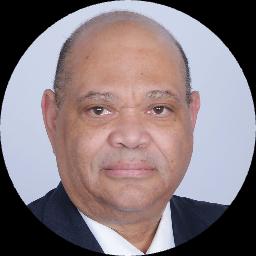
Part 1 of 4
- 47 years experience
- New York based
- English language
About Mark
He listens first and tailors the work to each person’s needs. Sessions focus on practical steps a person can try between meetings. He encourages small changes that add up over time and supports people while they practice new ways of coping.
Mark draws on several approaches to guide therapy, including acceptance and commitment ideas, client-centered conversation, cognitive behavioral strategies, attachment-focused work, and emotionally-focused methods. He uses these tools to help people manage painful feelings, repair important relationships, and build clearer goals for day-to-day life.
People come to him for many concerns such as addictions, intimacy-related issues, parenting strain, career worries, and coping with life changes. He also addresses more specific areas like abandonment, body image, caregiving stress, and grief after loss. The focus is on what the person wants to change and how to get there.
Mark speaks English and works from his New York practice. He frames the work as collaborative, practical, and paced to each person’s comfort and capacity.
To begin, people are invited to describe their current struggles and what they hope to achieve, and then decide together on the next steps.
Part 2 of 4
How approach and online care fit together
Acceptance and Commitment Therapy (ACT) focuses on helping people notice difficult thoughts and feelings without getting stuck in them, and then choose actions that match their values. It can help with anxiety, depression, and coping with major life changes. Cognitive Behavioral Therapy (CBT) looks at patterns of thought and behavior and teaches concrete skills to reduce distress and change unhelpful habits; it often helps with anxiety, depression, and stress. Attachment-Based Therapy pays attention to how early relationships shape current bonds and communication, and can help people improve important relationships and feel safer connecting with others.Finding the right approach is part of the work. The therapist will discuss options and help decide which methods fit a person’s goals and preferences. That choice is made together and can change as progress is made.
If you are considering online therapy, confirm current session options before booking since formats are not specified here. Online work can make it easier to fit sessions into a busy week, allow shorter check-ins when needed, and reduce the need to travel to appointments. Licensed professionals can use these formats to keep momentum between sessions and to support steady progress toward goals.
Part 3 of 4
Areas of expertise
Primary focus
Also works with
Additional focus areas
Therapeutic approaches
Experience
47+ years
Credentials
New York
Languages
English
Part 4 of 4
Frequently asked questions
What kinds of concerns does Mark address?
He works with stress, anxiety, trauma and abuse, grief, depression, addictions, relationship and intimacy-related issues, parenting strain, career concerns, and many other life challenges listed in his specialties.
What is his general therapeutic style?
He takes a collaborative and practical approach, listening first and then tailoring conversation and strategies to each person's needs.
How much clinical experience does he have?
He has 47 years of professional experience in social work and related therapy practice.
What credentials and location are listed?
He is a Licensed Clinical Social Worker, LCSW, licensed in New York and practices there.
Which languages are supported for sessions?
Sessions are offered in English.
Can international clients work with him?
He does not accept international clients at this time.
How are fees and billing handled?
Cost varies with location and therapist availability; sessions use a subscription that can be canceled at any time.
How do I get started with therapy?
Click the Start Therapy button, complete a short matching questionnaire, and schedule according to therapist availability.