Part 1 of 4
- Mindfulness practice
- CBT-based work
- Trauma-focused care
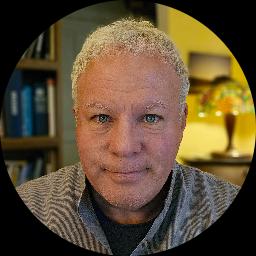
About Mark
Mark aims to build trust through straightforward, respectful interaction. He focuses on small changes in choices and habits first. Those shifts are intended to change thoughts and, over time, feelings. Sessions are practical and goal oriented rather than vague or overly technical.
His approach uses tools like mindfulness practice and thought regulation to help people manage symptoms and regain momentum. He also addresses motivation and confidence so clients can follow through on the changes they want to make. Narrative techniques are used to help people make sense of difficult experiences.
Mark has worked with people on trauma-focused concerns and post-traumatic stress, and he uses trauma-focused methods when appropriate. He also draws on cognitive behavioral strategies and motivational interviewing to support behavior change and clearer decision making.
With 28 years of experience, he guides the pace and content of sessions based on each person’s goals. The work tends to be collaborative and steady, with attention to practical steps that fit into everyday life. People leave with concrete skills to use between visits.
Part 2 of 4
Approaches that translate to online work
Mark commonly uses Cognitive Behavioral Therapy and Mindfulness Therapy in sessions. Cognitive Behavioral Therapy (CBT) focuses on identifying unhelpful thoughts and testing them with new behaviors to reduce symptoms like anxiety, depression, and anger. Mindfulness Therapy teaches simple attention and breathing practices to reduce reactivity and help people notice their thoughts and sensations without judgment.Finding the right approach is part of the process. The therapist will work with each person to choose methods that match their goals, history, and preferences. Treatment plans evolve based on what is most helpful in session and between meetings, and the therapist involves clients in deciding pace and focus.
Session formats are not specified in the available information, so confirm current options before booking. Online work can make it easier to fit counseling into a busy life, save commuting time, and allow shorter check‑in visits when schedules are tight. It also lets people use mindfulness exercises and CBT tools in their actual daily settings so skills transfer more readily from session to life.
Part 3 of 4
Areas of expertise
Primary focus
Also works with
Additional focus areas
Therapeutic approaches
Experience
28+ years
Credentials
Illinois
Languages
English
Part 4 of 4
Frequently asked questions
What concerns does Mark address?
He helps people with trauma and abuse, anxiety, depression, stress, ADHD, relationship and intimacy issues, grief, anger, bipolar mood challenges, and related areas including traumatic brain injury and process addictions.
What is his therapeutic style like?
Sessions are practical and collaborative. He emphasizes small behavior changes first, then works toward changing thoughts and feelings while building motivation and confidence.
How long has he been practicing?
He has been working with people since 1988 and brings 28 years of clinical experience to his practice.
What credentials and location are on record?
He holds the Licensed Clinical Professional Counselor credential in Illinois, listed as LCPC, and practices in Illinois.
Which languages are supported for sessions?
Sessions are offered in English.
Can international clients schedule with him?
He does not accept international clients at this time.
How are fees and billing handled?
Cost varies with location and therapist availability; sessions use a subscription that can be canceled at any time.
How do I begin working with him?
Choose the Start Therapy button, complete a short matching questionnaire, and then schedule sessions according to the therapist's availability.