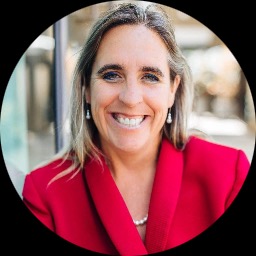
Part 1 of 4
- Warm and nonjudgmental
- Goal focused
- Skill building
About Marie
In sessions she uses clear, practical tools to address problems people bring, like sleep disruption, parenting strain, low self-esteem, anger, and career stress. She draws on cognitive-behavioral strategies to change unhelpful thoughts and habits. Mindfulness techniques are used to reduce reactivity and improve focus in daily life.
She also works with narrative and motivational methods to help people reframe their stories and find internal motivation for change. Client-centered principles guide the pace and topics of therapy so clients set the priorities and decide when to try new strategies. Marie notes trauma and abuse among the concerns she addresses and treats those topics with care and attention.
Marie’s background includes practical work across many settings over 12 years, supporting people with chronic illness, caregiving stress, adoption and foster care issues, attachment concerns, and communication difficulties. Her training is listed as LPCC and LMHC and she practices in California.
Her style is straightforward and nonjudgmental. She focuses on helping people build concrete skills and clearer goals. People who want a collaborative, goal-oriented counselor may find her approach helpful.
Part 2 of 4
How Marie Uses Approaches in Online Therapy
Marie uses cognitive-behavioral techniques to help identify and change unhelpful thoughts and routines, which is useful for anxiety, sleep issues, and anger. She also uses mindfulness practices to help people notice stress reactions and return attention to the present moment, which can ease reactivity and improve focus.Choosing the right approach is a collaborative process. The therapist will work with each person to identify goals, try methods, and adjust direction based on what helps. That means the plan can shift if a different combination of tools works better for the client.
Session formats are not specified in the biography, so confirm current options before booking. Online sessions can make it easier to fit therapy into a busy schedule, shorten travel and transition time, and allow for flexible check-ins between other responsibilities. Some approaches translate well to remote work because tools and exercises can be assigned as short practices to try between meetings, helping people use new skills in their everyday life.
Part 3 of 4
Areas of expertise
Primary focus
Also works with
Additional focus areas
Therapeutic approaches
Experience
12+ years
Credentials
Florida, California
Languages
English
Part 4 of 4
Frequently asked questions
What kinds of problems does she help with?
She helps people with stress, anxiety, trauma and abuse, relationship concerns, sleep problems, parenting strain, anger, self-esteem, and career stress.
How would you describe her therapy style?
Her style is warm, attentive, and nonjudgmental. Sessions emphasize listening, practical skills, and collaborative goal setting.
What is her professional background?
She has 12 years of clinical experience working with a wide range of concerns, including chronic illness, caregiving stress, and attachment issues.
Where does she practice and what are her credentials?
She practices in California and holds the credentials LPCC and LMHC as listed in her profile.
Which languages are supported during sessions?
Sessions are offered in English.
Can people outside the United States work with her?
International clients are not currently accepted.
How much do sessions cost?
Cost varies with location and therapist availability; sessions use a subscription that can be canceled at any time.
What are the first steps to begin therapy?
Select the Start Therapy button, complete a short matching questionnaire, and schedule according to therapist availability.