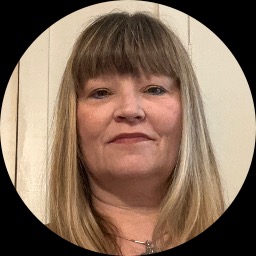
Part 1 of 4
- Client-centered focus
- Skill-based strategies
- Texas LPC
About Margaret
Margaret uses straightforward, practical sessions that focus on real skills and small changes. She draws on client-centered work to follow what matters to each person. Cognitive Behavioral Therapy techniques help identify and shift unhelpful thoughts and behaviors, and Dialectical Behavior Therapy offers skills for managing strong emotions.
In sessions she listens with respect and sensitivity, then helps people try things between appointments. That might include experimenting with new ways of talking about a relationship, practicing coping skills for panic, or setting steps toward a career or lifestyle goal. She emphasizes clear goals and measurable steps rather than abstract talk.
Margaret describes therapy as an ongoing process, not a single endpoint. She supports clients as they build tools to handle complicated feelings and situations. Her aim is to help people move toward better daily functioning and stronger coping over time.
She has three years of professional experience working with diverse concerns across emotional and life-stress areas. People who choose her often want a collaborative, practical approach that combines emotional understanding with skill building.
Part 2 of 4
Approaches that translate to online care
Client-Centered Therapy focuses on listening and following what matters to the person. In online sessions this means the therapist prioritizes the client's goals and reflects concerns back so clients feel understood and heard. Cognitive Behavioral Therapy, or CBT, teaches practical steps to change thoughts and behaviors that fuel anxiety or depression, often using short exercises and homework between sessions. Dialectical Behavior Therapy, DBT, adds skills for managing intense emotions and improving emotional regulation, which can be practiced in real life and reviewed in therapy.Finding the right approach is part of the work. The therapist will collaborate with each client to choose which methods to try first and will adjust as goals and needs become clearer. That process is shared and flexible so people can shape therapy to fit their situation.
Session formats are not listed here, so please confirm current options before booking. Online therapy can make it easier to fit sessions into a busy life, reduce travel time, and allow for shorter check-ins when needed. It also allows practicing skills between appointments and bringing real situations into conversation more quickly. Licensed professionals can help plan how sessions will work in a way that fits daily routines and goals.
Part 3 of 4
Areas of expertise
Primary focus
Also works with
Additional focus areas
Therapeutic approaches
Experience
3+ years
Credentials
Texas
Languages
English
Part 4 of 4
Frequently asked questions
What concerns does Margaret help with?
She supports people with stress, anxiety, grief, anger, depression, relationship and intimacy issues, sleep problems, self-esteem, career concerns, bipolar and ADHD, and a range of related life stressors.
What is her therapy style like?
Her style is practical and collaborative. Sessions focus on listening first, then teaching skills and setting small, measurable steps to try between meetings.
How much clinical experience does she have?
She holds three years of professional experience as a counselor working with emotional and life-stress issues in Texas.
What are her credentials and where is she based?
She is a Licensed Professional Counselor, LPC, licensed in Texas and practices from that state.
Which languages are offered for sessions?
Sessions are offered in English.
Can people from other countries work with her?
She does not accept international clients at this time.
How are fees and payment handled?
Cost varies with location and therapist availability; sessions use a subscription that can be canceled at any time.
How do I begin working with her?
Click the Start Therapy button, complete a short matching questionnaire, and then schedule according to the therapist's availability.