Part 1 of 4
- Trauma and brain injury
- Anxiety and depression
- Addiction support
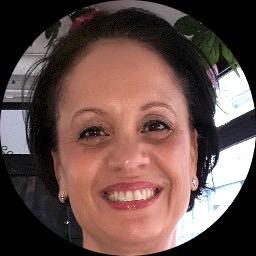
About Marcia
She adapts what happens in sessions to each person's needs. That can mean talking through patterns that keep problems going, learning simple skills to reduce overwhelming feelings, or working on communication and boundaries. Sessions are practical and paced to the person rather than following a fixed script.
Marcia brings 23 years of experience in counselling work across a range of concerns. She draws on a mix of approaches so she can match methods to what a person finds most helpful. Her practice emphasises empathy, patience and steady support while people try new ways of coping.
Her background includes use of therapies that focus on thoughts and behaviours, relationships and personal values. Marcia explains things plainly and checks in about how approaches are working. She encourages people to set realistic goals and to build small steps toward them.
People who choose to work with Marcia can expect a collaborative relationship. She helps clients set priorities, practise strategies between sessions, and reflect on what’s changing. The aim is to leave people feeling more able to manage day-to-day challenges and move toward goals that matter to them.
Part 2 of 4
How Marcia’s approaches translate to online work
Acceptance and Commitment Therapy helps people clarify what matters to them and to take small steps toward those values despite difficult thoughts or feelings. It suits people who want a values-driven plan for change. Attachment-Based Therapy looks at how early relationship patterns affect current connections and helps people practice new ways of relating and feeling safer in relationships.Finding the right approach is part of the work. The counsellor will talk with each person about what they want to achieve and try methods that fit their goals and preferences. This is a collaborative process and the approach can be adjusted as progress is tracked.
Confirm session formats before booking as the biography does not list specific online options. Online work can make it easier to fit counselling into a busy day, reduce travel time, and allow faster check-ins when needed. It also means people can continue therapy while living in a different region, subject to scheduling and any professional requirements. Therapists and registered or accredited professionals will discuss which way of meeting works best during the initial steps.
Part 3 of 4
Areas of expertise
Primary focus
Also works with
Additional focus areas
Therapeutic approaches
Experience
23+ years
Credentials
See below
Languages
English
Part 4 of 4
Frequently asked questions
What kinds of problems can I bring to counselling?
Marcia supports people with stress, anxiety, addictions, depression, trauma and abuse, relationship and family concerns, sleeping problems, self-esteem, career and coping with life changes.
How does she approach therapy in sessions?
She uses a practical, person-focused style that adapts to each client. Sessions can include talking through patterns, learning coping skills, and practising communication and boundary-setting.
What experience does Marcia bring?
She has 23 years of professional experience working with a wide range of emotional and behavioural concerns.
What are her credentials and where is she based?
Marcia is registered with the British Association for Counselling and Psychotherapy and works from the United Kingdom.
Which languages are supported?
Sessions are offered in English.
Can international clients work with her?
She accepts international clients, so people outside the UK can enquire about working together.
How are fees handled?
Cost varies with location and therapist arrangements; sessions use a subscription that can be cancelled at any time.
How do I begin a therapy relationship?
Start by selecting the Start Therapy button, completing a short matching questionnaire, and scheduling according to the therapist's availability.