Part 1 of 4
- Strengths focused
- CBT informed
- Mindfulness tools
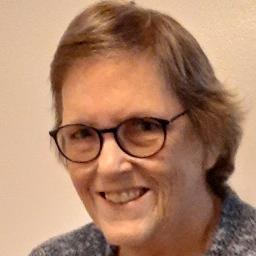
About Lynda
With 19 years of experience, Lynda draws on practical techniques to help people cope and make change. She leans on Cognitive Behavioral Therapy to spot and shift unhelpful thinking and behavior patterns. She pairs that with client-centered and solution-focused work that keeps goals clear and relevant to everyday life.
Sessions tend to emphasize what a person wants to achieve next. Lynda encourages people to use what already works for them while testing new ways of coping. She also uses mindfulness and narrative approaches to help people calm their minds and reframe difficult experiences.
She has supported people dealing with addictions, grief, bipolar challenges, relationship and intimacy-related issues, and a wide range of adjustment and personality concerns. Lynda also helps people managing chronic pain, caregiver stress, and the emotional fallout of separation or divorce.
Lynda aims to make sessions genuine, respectful, and focused on each person’s strengths. She works collaboratively to set clear goals and practical steps toward them. If you want straightforward help and a focus on usable strategies, she may be a good fit.
Part 2 of 4
How these approaches fit into online therapy
Client-Centered Therapy focuses on listening and understanding what matters most to the person. It helps when someone needs a space to be heard and to shape goals at their own pace. Cognitive Behavioral Therapy (CBT) looks at how thoughts, feelings, and actions connect and uses small experiments and skill practice to change patterns, which can be useful for anxiety, depression, and stress. Mindfulness Therapy teaches simple attention and grounding exercises to reduce reactivity and improve focus during stressful moments.Finding the right approach is a collaborative process. The therapist will talk with the person about goals and daily challenges, then suggest approaches to try. If something does not feel like a fit, the plan can be adjusted so the work stays practical and relevant.
The original biography does not list specific session formats, so confirm current options before booking. Online therapy can make it easier to fit sessions into a busy life, shorten travel time, or allow brief check-ins that work around appointments or caregiving. It also lets people use written or spoken tools and exercises between sessions to practice skills learned in therapy.
Part 3 of 4
Areas of expertise
Primary focus
Also works with
Additional focus areas
Therapeutic approaches
Experience
19+ years
Credentials
Florida
Languages
English
Part 4 of 4
Frequently asked questions
What concerns does Lynda frequently help with?
She works with stress, anxiety, trauma and abuse, grief, depression, addictions, relationship and intimacy-related issues, and coping with life changes among other concerns.
How would you describe her therapeutic style?
Her style combines client-centered listening with solution-focused planning and Cognitive Behavioral Therapy to set practical goals and try new coping strategies.
What is her clinical background and experience?
Lynda is a Licensed Clinical Social Worker with 19 years of experience helping people facing trauma, mood challenges, and major life transitions.
Where is she located and what credential does she hold?
She holds a Florida LCSW license and practices in Florida.
Does she offer services in other languages or internationally?
Sessions are offered in English and she is not accepting international clients.
What session formats are available?
The original biography does not specify session formats; please confirm current session options before booking.
How does billing and cost work?
Cost varies with location and therapist availability; sessions use a subscription that can be canceled at any time.
How do I begin working with her?
Use the Start Therapy button, complete a short matching questionnaire, and schedule according to therapist availability.