Part 1 of 4
- Anxiety and stress
- Practical coping
- Natural wellbeing
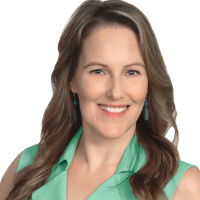
About Lindsay
Her work often begins with listening closely to what feels most difficult right now. She uses methods such as Acceptance and Commitment Therapy and Cognitive Behavioral Therapy to help people notice unhelpful patterns and try small, manageable changes. Attachment-Based and Client-Centered ideas also guide her, so sessions focus on understanding emotions and building stronger self-connection.
Dr. Ghannam combines clinical practice with a broader interest in natural approaches to wellbeing. She talks with clients about lifestyle factors like sleep, nutrition, and stress management when relevant, and she offers coaching-style support alongside counseling. The goal is clearer thinking and better day-to-day coping.
She has worked in crisis intervention, research, addiction support, and private practice, giving her a range of real-world experience. That background shapes how she tailors plans to practical life demands, whether the issue is parenting strain, workplace stress, or recovery from trauma and grief.
People who prefer a collaborative, down-to-earth style tend to fit well with her approach. She invites clients to set concrete goals and to try steps that can be measured and adjusted over time.
Part 2 of 4
Approaches that guide online work and practical care
Acceptance and Commitment Therapy (ACT) helps people notice their thoughts and feelings without getting stuck in them, then choose actions that match their values. It is useful for anxiety, stress, and making steady life changes.Cognitive Behavioral Therapy (CBT) focuses on identifying unhelpful thinking and testing different behaviors to reduce symptoms like worry and low mood. It works well for sleep problems, depression, and coping with daily stressors.
Finding the right approach is part of the work together. The therapist will talk with each person about goals, preferences, and what has or hasn't helped before, and then try methods that fit those needs. This is a collaborative process and can be adjusted over time.
Practical benefits of online therapy include easier scheduling and fitting sessions into busy lives. Online work can make it simpler to have short check-ins, avoid travel time, or choose audio-only conversations if video is difficult. The biography does not list which session formats are offered, so confirm available options before booking to ensure they match your needs.
Part 3 of 4
Areas of expertise
Primary focus
Also works with
Additional focus areas
Therapeutic approaches
Experience
15+ years
Credentials
Florida, Washington, Arizona
Languages
English
Part 4 of 4
Frequently asked questions
What kinds of problems does she help with?
She helps people managing stress, anxiety, sleep trouble, depression, grief, and trauma-related concerns, among other issues listed in her specialties.
What is her therapy style like?
Her style is collaborative and down-to-earth, mixing counseling and coaching. Sessions focus on clear goals and practical steps to improve daily functioning.
How much experience does she have?
She has 15 years of experience working in crisis intervention, addiction support, research, and private practice.
Where is she based and what credentials does she hold?
She practices in Florida and holds LPC and LMHC credentials as listed in her profile.
Which languages are supported for sessions?
Sessions are offered in English, and she accepts international clients.
What session formats are available?
Session formats are not specified in the biography; please confirm current session options before booking.
How does pricing work for sessions?
Cost varies with location and therapist availability, and sessions use a subscription that can be canceled at any time.
How do I begin working with her?
To start, select the Start Therapy button, complete a short matching questionnaire, and schedule according to therapist availability.