Part 1 of 4
- Present-focused
- Skill building
- LGBT affirming
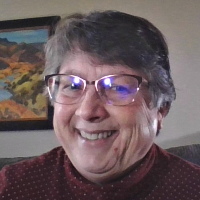
About Leslie
Her approach focuses on the present and on small, doable changes. She uses cognitive and behavioral techniques to help clients notice unhelpful thoughts and try new actions. Mindful reflection and attention to current needs also shape sessions so people can recognize what feels important for them now.
Leslie pays attention to social and cultural identity and has worked with LGBT clients on sexual orientation and gender matters. She also brings experience with more complex clinical needs, including co-occurring conditions, dissociation, and end-of-life and caregiver stress. This background helps her tailor the pace and focus of treatment to each person.
Sessions emphasize building an accurate sense of self and clearer personal goals. Practical skills for sleep, anger, impulse control, and coping with life changes are common topics. Leslie aims for therapy that fits everyday life and produces steps people can try between meetings.
People who prefer a thoughtful, present-focused counselor may find her style a good match. She works in Washington and conducts sessions in English using her LMHC credential to guide clinical decisions.
Part 2 of 4
How her approaches translate into online therapy
Leslie commonly draws on Attachment-Based Therapy, Client-Centered Therapy, and Cognitive Behavioral Therapy in her work. Attachment-Based Therapy looks at how early relationships shape current patterns and can help with intimacy, trust, and relationship struggles. Client-Centered Therapy emphasizes a respectful, nonjudgmental space where the person leads the work and the therapist reflects and supports that process. Cognitive Behavioral Therapy (CBT) helps people identify unhelpful thinking patterns and practice new behaviors to reduce anxiety, improve mood, and manage impulses.Choosing an approach is a shared process. Leslie will discuss goals, preferences, and what feels most useful in early sessions, and she adjusts methods as those goals evolve. The aim is to find techniques that fit the person's life and needs rather than prescribing a single path from the start.
Session formats are not specified in the biography, so confirm current online options before booking. Online therapy can make it easier to fit sessions into a busy schedule, cut commuting time, and allow for shorter check-ins or longer therapeutic work when needed. It also lets the therapist and client try techniques together in real time and practice skills in daily life between meetings.
Part 3 of 4
Areas of expertise
Primary focus
Also works with
Additional focus areas
Therapeutic approaches
Experience
30+ years
Credentials
Washington
Languages
English
Part 4 of 4
Frequently asked questions
What kinds of problems does Leslie help with?
She supports people with stress, anxiety, trauma and abuse, depression, ADHD, addictions, relationship and intimacy issues, grief, sleep problems, anger, self-esteem, bipolar concerns, and coping with life changes.
What is her therapy style like?
Her style is present-focused and practical, combining cognitive and behavioral techniques with mindfulness and reflective work to develop useful daily skills.
How much experience does she have?
Leslie has thirty years of clinical experience working with diverse clinical needs and populations, including long-term mental health and substance use concerns.
What credentials and region are listed for this therapist?
She is a Licensed Mental Health Counselor, LMHC, licensed in Washington and practices in that state.
Which languages are available for sessions?
Sessions are offered in English.
Can people outside the U.S. work with her?
International clients are not currently accepted.
How are session costs handled?
Cost varies with location and therapist availability; sessions use a subscription model that can be canceled at any time.
How do I begin working with Leslie?
Click the Start Therapy button, complete a short matching questionnaire, and schedule according to the therapist's availability.