Part 1 of 4
- Warm supportive style
- Focus on emotional healing
- Practical coping skills
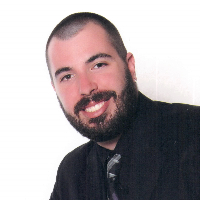
About Lee
Lee's approach is warm and inviting. Sessions start with building a connection and identifying the primary concerns. He works collaboratively to help people talk through painful feelings and find likely causes of their distress. He emphasizes emotional processing and a trusting therapeutic relationship.
In session Lee draws on several practical methods. He uses client-centered techniques to follow each person’s pace and priorities. Cognitive behavioral strategies help people notice and change unhelpful thoughts and behaviors. He also uses attachment-based and emotion-focused ideas to address relationship and intimacy-related struggles.
Lee has experience supporting people through grief, trauma, addiction recovery, and complicated family dynamics. He also works with parenting stress, caregiver fatigue, body image, and commitment or communication difficulties. He approaches these concerns with patience and without judgment.
People who choose Lee can expect straightforward conversations and active collaboration about goals and next steps. He describes his role as holding clients in a respectful, validating way while they process painful emotions and learn new coping skills.
Part 2 of 4
How Lee Uses Therapeutic Approaches Online
Lee commonly uses client-centered therapy to follow each person's lead and create an accepting space. This approach focuses on listening carefully, reflecting what matters to the client, and working at a comfortable pace to address emotional concerns.He also uses cognitive behavioral therapy, which helps people identify patterns of thought and behavior that keep problems going. CBT gives concrete tools to test unhelpful thoughts and try new actions, which can be useful for anxiety, mood, and coping with life changes.
Finding the right method is a collaborative process. The therapist will discuss goals, preferences, and the problem at hand and help decide which approaches to try. Adjustments are made over time so the plan fits the person's needs and progress.
Practical benefits of online work include saving travel time and fitting sessions into a busy schedule. Some people find shorter check-ins easier to schedule, or that video or audio options reduce the need to be on camera. The biography notes telehealth experience, but confirm the current session options before booking so you know which formats are offered.
Part 3 of 4
Areas of expertise
Primary focus
Also works with
Additional focus areas
Therapeutic approaches
Experience
5+ years
Credentials
Florida
Languages
English
Part 4 of 4
Frequently asked questions
What kinds of problems does Lee help with?
He works with anxiety, depression, grief, trauma, and substance use concerns. He also supports people with relationship, parenting, anger, ADHD, and caregiver stress issues.
What is his therapeutic style like?
Lee's style is warm and collaborative. He aims to build connection first, then address symptoms through emotional processing and practical strategies.
How much clinical experience does he have?
He has been working as a mental health counselor since 2017, which amounts to five years of experience noted in his profile.
What credentials and location information are listed?
Lee holds the LMHC credential and is licensed in Florida. His profile indicates he is based in Florida.
Which languages are supported for sessions?
Sessions are offered in English. The profile also notes that international clients are accepted.
What session formats are available?
The original biography mentions telehealth sessions and a Board Certified Tele-Mental Health Provider designation. Confirm current session options with the provider before booking.
How are fees and payment handled?
Cost varies by location and therapist availability, and sessions use a subscription that can be canceled at any time.
How do I begin working with him?
Start by selecting the Start Therapy button, completing a short matching questionnaire, and scheduling according to therapist availability.