Part 1 of 4
- Warm interactive style
- Practical skills focus
- Trauma-informed care
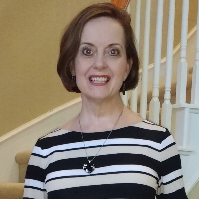
About Lee
She uses a mix of therapeutic methods to fit individual needs. Cognitive Behavioral Therapy (CBT) helps people notice and change unhelpful thoughts and behaviors. Attachment-Based Therapy looks at how early relationships affect current patterns and helps rebuild safer ways of relating. Eye Movement Desensitization and Reprocessing (EMDR) is offered as a tool to address traumatic memories when appropriate.
Lee Anne adapts sessions to a person’s goals. She works with issues such as grief, addiction, body image, chronic illness and pain, intimacy concerns, and problems rooted in family of origin. She also addresses concerns like codependency, dissociation, emptiness, and communication struggles.
Her approach blends structured skills work with client-led conversation. That means practical strategies - like problem-focused exercises - alongside space to tell your story and process feelings. She frames therapy as collaborative and will tailor a plan to what feels most useful.
Lee Anne is licensed in Colorado and brings experience from multiple practice settings. She speaks English and uses a straightforward style to help people take the next step toward feeling better.
Part 2 of 4
How therapy approaches translate to online work
Lee Anne uses Cognitive Behavioral Therapy and Attachment-Based Therapy often in her practice. CBT focuses on identifying unhelpful thoughts and testing them through specific exercises, which helps with anxiety, depression, and mood regulation. Attachment-Based Therapy looks at how early relationships shape current patterns and helps people build new ways of relating and managing closeness and trust.Finding the right approach is part of the work together. The therapist will talk with the client about goals, preferences, and what has or hasn’t helped before. That collaborative process guides whether CBT, attachment-informed work, EMDR, or other methods are used.
The biography does not specify session formats, so confirm available options before booking. Online therapy can make it easier to fit sessions into a busy life, remove travel time, and allow shorter check-ins when schedules are tight. It also lets people maintain continuity of care across locations within the therapist's licensure boundaries. The therapist will discuss practical arrangements and together decide what format and pacing best suit the client’s needs.
Part 3 of 4
Areas of expertise
Primary focus
Also works with
Additional focus areas
Therapeutic approaches
Experience
15+ years
Credentials
Texas, Colorado
Languages
English
Part 4 of 4
Frequently asked questions
What kinds of concerns does this therapist address?
She works with a wide range of issues including stress, anxiety, depression, bipolar disorder, ADHD, trauma and abuse, addictions, grief, relationship and intimacy-related problems, and body image concerns.
How would you describe the therapy style?
The style is warm and interactive, combining client-centered conversation with practical skills. Sessions mix structured techniques and opportunities to process personal history.
What background and experience does she have?
She has 15 years of experience working with people across a range of mental health concerns and life challenges.
Which credentials and location apply?
She is a Licensed Professional Counselor (LPC) and practices in Colorado with licensure also noted for Texas.
Which languages are supported?
Sessions are offered in English and international clients are not currently accepted.
What session formats are available?
The original biography does not list session formats explicitly; please confirm the current session options before booking.
How are fees and billing handled?
Cost varies with location and therapist availability; sessions use a subscription that can be canceled at any time.
How do I begin working together?
Select the Start Therapy button, complete a short matching questionnaire, and schedule according to the therapist's availability.