Part 1 of 4
- Strengths-based
- Skills focused
- Values driven
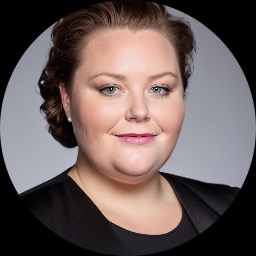
About Laura
She writes plainly and works collaboratively. Sessions start by talking about what you hope to change and what feels most pressing. She uses practical tools and everyday language to help people manage symptoms and build skills they can use between meetings.
Laura draws on several therapy approaches to match the needs of each person. Cognitive Behavioral Therapy (CBT) helps identify and shift unhelpful thinking and behavior patterns. Acceptance and Commitment Therapy (ACT) supports people in clarifying values and taking small, value-driven steps. Dialectical Behavior Therapy (DBT) offers skills for managing intense emotions and improving coping during crises.
Clients can expect a calm, steady presence and a focus on strengths. Sessions emphasize concrete strategies, homework when helpful, and steady problem solving. The pace is tailored to the individual and to what feels most useful in daily life.
Laura offers therapy in English and is not taking international clients. If you decide to move forward, she asks that you complete a brief matching questionnaire and then schedule according to availability.
Part 2 of 4
Online therapy approaches and what they do
Laura commonly uses Cognitive Behavioral Therapy (CBT) to help spot and change unhelpful thoughts and routines that feed anxiety, depression, or eating concerns. CBT focuses on practical steps and experiments you can try between sessions to see what helps.She also uses Acceptance and Commitment Therapy (ACT) which helps people clarify what matters to them and take small actions toward those values even when feelings are difficult. ACT is often useful for coping with life changes, mood fluctuations, and chronic stress.
Dialectical Behavior Therapy (DBT) skills are also part of her toolkit for managing intense emotions, improving distress tolerance, and handling relationship strain. DBT offers concrete exercises for staying steady during high-stress moments.
Choosing a therapeutic approach is a collaborative process. The therapist will work with each person to decide which methods fit their goals and preferences, and she may combine techniques over time as needs shift.
If you are considering online work, confirm the current session formats before booking so you know what is available. Many people find online sessions help them fit therapy into busy schedules, reduce travel time, and make it easier to keep regular appointments. Others like options that require less bandwidth for shorter check-ins. Discussing how sessions will fit into daily life is part of the first meetings so practical logistics match personal needs.
Part 3 of 4
Areas of expertise
Primary focus
Also works with
Additional focus areas
Therapeutic approaches
Experience
4+ years
Credentials
Oregon
Languages
English
Part 4 of 4
Frequently asked questions
What kinds of concerns does she help with?
Laura works with relationship problems, trauma and abuse, intimacy-related issues, self-esteem, depression, eating concerns, bipolar disorder, coping with life changes, and ADHD among other areas.
What is her general therapy style?
Her approach is collaborative and strengths-based. She uses clear language, practical skills, and homework when helpful to support steady progress.
What is her background and experience?
She holds the LPC credential and has four years of experience working in mental health settings with a focus on adult clients.
Where is she located and licensed?
She is based in Oregon and practices as a Licensed Professional Counselor (LPC) in that state.
Which languages are supported?
Sessions are offered in English.
Are international clients supported?
International clients are not currently accepted.
How does cost and payment work?
Cost varies with location and therapist availability; sessions use a subscription that can be canceled at any time.
How do I begin the process?
Click the Start Therapy button, complete a short matching questionnaire, and schedule sessions according to the therapist's availability.