Part 1 of 4
- Talk therapy focus
- Embodied practices
- Attachment informed
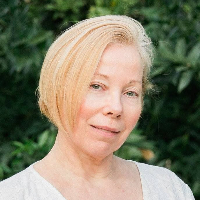
About Kathy
She blends psychotherapy with gentle body-focused practices such as breathwork, meditation, and yoga when clients are interested in those options. Sessions focus on emotional regulation, coping skills, and clearing out stuck feelings that affect behavior and relationships. The work often includes talking through difficult moments, practicing grounding tools, and trying short exercises in session.
Dr. Greathouse uses attachment-informed ideas to look at how past relationships shape current patterns. She also draws on client-centered listening to let people set the pace and priorities for therapy. Narrative techniques help clients reframe their personal stories so they can move forward with more choice.
Her practice addresses a wide range of concerns including trauma and abuse, addictions, intimacy-related issues, eating and sleeping problems, parenting strain, career stress, and compassion fatigue. She also supports people dealing with abandonment, isolation, life purpose questions, and midlife transitions. The tone in sessions is warm, respectful, and goal-oriented.
People who prefer a mix of talk and experiential methods may find her style a good fit. She speaks English and practices in California as an LMFT.
Part 2 of 4
How her approaches translate to online work
Dr. Greathouse uses attachment-informed work to look at how early relationships affect current patterns, which can help with anxiety, relationship struggles, and feeling stuck. Client-centered therapy means sessions follow the person's priorities, emphasizing listening and practical next steps the client chooses. Existential ideas invite people to talk about meaning, purpose, and the choices they want to make when facing life transitions or midlife concerns.Finding the right approach is a collaborative process. She will check in about goals, try approaches that fit the client's needs, and adjust methods if something feels unhelpful. Clients and therapist decide together which tools - talking, breathwork, or short exercises - are most useful at each stage.
Session formats are not specified in the biography, so confirm current options before booking. Online work can make scheduling easier and help therapy fit around work, caregiving, or travel. It can also allow for shorter check-ins, sessions that don't require being on camera, or the ability to practice grounding tools from wherever a person is at the time. Licensed professionals can adapt exercises and pacing so therapy fits everyday life rather than the other way around.
Part 3 of 4
Areas of expertise
Primary focus
Also works with
Additional focus areas
Therapeutic approaches
Experience
8+ years
Credentials
California
Languages
English
Part 4 of 4
Frequently asked questions
What concerns does she help with?
She helps people who are struggling with stress, anxiety, grief, depression, trauma, addictions, relationship and intimacy issues, and life changes.
What is her therapeutic style like?
Her style mixes listening-centered talk therapy with practical tools like breathwork, meditation, and short in-session exercises chosen by the client.
What is her professional background?
She has eight years of clinical experience working as a licensed marriage and family therapist and blends traditional psychotherapy with restorative practices.
Where does she practice and what is her credential?
She practices in California and holds the credential LMFT, which stands for Licensed Marriage and Family Therapist in California.
Which languages are supported?
Sessions are offered in English only.
Are international clients accepted?
International clients are not currently accepted.
How are fees handled?
Cost varies with location and therapist availability; sessions use a subscription that can be canceled at any time.
How do I begin working with her?
Use the Start Therapy button, complete a short matching questionnaire, and schedule according to therapist availability.