Part 1 of 4
- Warm listening
- Trauma-aware care
- Practical focus
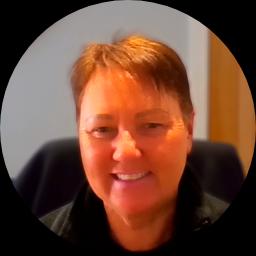
About Karen
Her background includes roles in a GP surgery, trauma counselling with Someone Cares, and occupational health counselling with Northumbria Police. These roles exposed her to a wide range of issues, including stress, anxiety, depression, trauma, self-harm and suicide-related work. That experience informs how she responds to people in distress.
Karen uses a person-centred approach that focuses on listening and understanding what each person brings. She also uses cognitive behavioural ideas when helpful and draws on attachment-based thinking to look at relationships and patterns. Her practice includes approaches such as EMDR and existential ideas when they suit the client's goals.
She helps people struggling with relationships, addiction, grief, parenting strain, sleep and eating concerns, self-esteem and identity issues including LGBT matters. She also supports those coping with chronic illness, caring responsibilities, ADHD and complex life changes.
Therapy is offered in a calm, accepting space where clients can talk through difficult experiences, including abuse, abandonment and narcissistic harm. Karen invites people to share their needs, special interests and practical requirements so sessions can be shaped around them.
Part 2 of 4
How Karen's approaches translate to online work
Attachment-based work looks at how early relationships shape current ones. In online sessions this can mean talking through patterns in relationships and trying new ways of connecting and setting boundaries. Client-centred counselling places the client's experience first and uses empathetic listening to help people feel understood, which fits well with video or phone conversations. Cognitive behavioural therapy, or CBT, focuses on identifying unhelpful thoughts and testing different behaviours; it often includes practical exercises to try between sessions and can be easily worked through in scheduled conversations.Finding the right approach is part of the therapy process. The therapist will work with each person to decide which methods suit their needs, goals and preferences. That decision is collaborative and may change as therapy progresses.
The biography notes use of chat, phone and video as session methods, so please confirm the current options before booking. Online sessions can make it easier to fit counselling around work, childcare or medical appointments, and they allow a shorter check-in or a focused skills session when that is needed. Talk with the therapist about session length, frequency and any practical arrangements so appointments fit into everyday life.
Part 3 of 4
Areas of expertise
Primary focus
Also works with
Additional focus areas
Therapeutic approaches
Experience
18+ years
Credentials
See below
Languages
English
Part 4 of 4
Frequently asked questions
What issues does Karen help with?
She works with stress, anxiety, depression and trauma among many concerns. Other areas include addiction, relationship and intimacy-related difficulties, grief, parenting strain, eating and sleeping problems, ADHD and adjustment to life changes.
What is Karen's therapeutic style?
Her core style is person-centred, which means listening without judgement and prioritising how you feel. She combines that with cognitive behavioural techniques and attachment-focused ideas when they help achieve your goals.
What experience does she bring to sessions?
Karen has worked in a GP surgery, as a trauma counsellor with Someone Cares and as an occupational health counsellor for Northumbria Police, giving her broad experience with trauma, stress and loss.
How is her professional standing described?
She is a member of the British Association of Counsellors and Psychotherapists, listed as BACP, and has 18 years of practice experience in the United Kingdom.
Which languages and regions are supported?
Sessions are offered in English and she practises from the United Kingdom. International clients are not currently accepted.
What session formats are available?
The original biography mentions chat, phone and especially video as formats used by the therapist. Confirm the current session options before booking to ensure they meet your needs.
How much do sessions cost?
Cost varies with location and therapist availability; sessions use a subscription that can be cancelled at any time. Check the platform or service details for exact pricing.
How do I begin working with Karen?
Use the Start Therapy button, complete a short matching questionnaire and then schedule according to the therapist's availability.