Part 1 of 4
- Client-centered care
- Trauma-informed support
- Practical coping skills
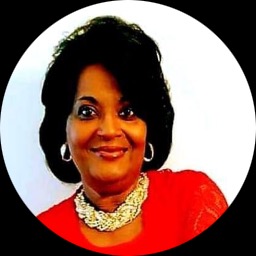
About Joyce
She describes her work as compassionate and grounded in genuine concern for others. Joyce draws on a mix of approaches and adapts them to each person's needs rather than using one fixed method. This flexibility helps her tailor sessions to the issues a person brings in.
In sessions she listens first and asks questions to clarify what matters most. She helps people identify small, practical steps to reduce anxiety, manage mood, and cope with life transitions. She also supports people facing caregiver strain, chronic illness or injury, and the stresses that come with major life changes.
Joyce mentions Christian integrity as part of her personal perspective, and she is willing to discuss values and faith when that matters to a client. Her goal is to walk alongside people as they work through hard moments and move toward clearer goals.
Outside of work she has long-term family experience as a spouse and parent, and she uses that life experience to relate to common struggles. She invites questions about her background and encourages people to start by describing what they hope to change or understand.
Part 2 of 4
Approaches that guide online work and recovery
Client-Centered Therapy focuses on giving people space to tell their story while the therapist offers empathy and nonjudgmental listening; it helps when someone needs to feel heard and understood. Cognitive Behavioral Therapy (CBT) involves identifying unhelpful thoughts and testing new behaviors; it is often used for anxiety, depression, and stress management. Trauma-Focused Therapy concentrates on understanding and processing traumatic experiences with care and pacing; it can help those coping with PTSD or injury-related trauma.Finding the right approach is part of the work together. Joyce will help you decide which methods to try based on your goals, symptoms, and what feels most comfortable. She adapts strategies over time and checks in about what is and isn’t helpful so adjustments can be made collaboratively.
Session logistics and formats are not listed in the biography, so confirm current session options before booking. In general, online therapy can make it easier to fit sessions into a busy week, avoid travel time, and maintain continuity when health or mobility are factors. It also lets people choose shorter check-ins or longer talks depending on immediate needs. Ask about the available session types when you complete the matching questionnaire so scheduling fits your routine.
Part 3 of 4
Areas of expertise
Also works with
Additional focus areas
Therapeutic approaches
Experience
12+ years
Credentials
Missouri, California
Languages
English
Part 4 of 4
Frequently asked questions
What concerns does Joyce commonly help with?
She works with stress, anxiety, depression, grief, PTSD, traumatic brain injury-related issues, and related concerns such as caregiver stress and chronic illness.
What is her general therapy style?
Her style is eclectic and client-centered, meaning she listens closely and adapts techniques to fit what each person needs.
How much experience does she have?
Joyce has 12 years of counseling experience and a master’s degree in community counseling from the University of Missouri-St. Louis.
What credentials and location should I know about?
She holds LPCC and LPC credentials and maintains a private practice in Missouri.
Are sessions available in languages other than English?
Sessions are offered in English.
Can people from other countries work with her?
She does not accept international clients at this time.
How does billing and cost work?
Cost varies by location and therapist availability; sessions use a subscription that can be canceled at any time.
What are the first steps to begin therapy?
Use the Start Therapy button, complete a short matching questionnaire, and schedule sessions according to the therapist’s availability.