Part 1 of 4
- Trauma aware
- Goal oriented
- Nonjudgmental care
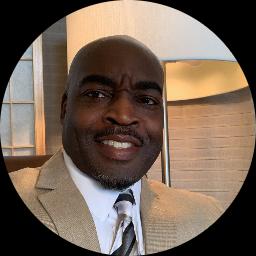
About John
He creates a calm, nonjudgmental space where clients can talk about thoughts and feelings. Sessions emphasize listening first, then practical steps people can try between meetings. John adapts short-term tools and longer conversations depending on what you need right now.
John draws from Client-Centered Therapy to place the person's goals at the center of the work. He also uses Cognitive Behavioral Therapy to help spot unhelpful thinking and Dialectical Behavior Therapy strategies to build emotional regulation skills. Motivational Interviewing and Solution-Focused Therapy guide change when motivation or concrete steps are the priority.
Over a dozen years of practice have included work with life transitions, chronic illness, grief, and relationship-driven stress tied to family of origin or adoption and foster care experiences. He also supports people navigating aging concerns, hospice and end-of-life questions, and health challenges such as cancer or HIV/AIDS.
Sessions are conducted in English and international clients are accepted. John asks people to consider what they hope to change and brings a practical, steady approach to help achieve those goals.
Part 2 of 4
How John Tailors Approaches for Online Work
John uses Client-Centered Therapy to build a respectful, person-focused relationship where the client's goals guide the work. This approach is helpful when someone needs a steady listening presence and support to decide what to address first.He also uses Cognitive Behavioral Therapy to identify patterns of thinking that increase stress or anxiety and to practice different responses. CBT is useful for anxiety, depression, and concerns that respond to clear steps and homework between sessions.
Finding the right approach is part of the process. John collaborates with each person to choose methods that match their goals, motivation, and what feels most useful. That means checking in regularly and adjusting strategies as needed so the work stays relevant.
If you are considering online sessions, confirm what session formats are currently offered before booking since the biography does not list specific options. Online work can make it easier to fit therapy into a busy schedule, allow for shorter check-ins when needed, and reduce travel time. It can also let people use video when interaction matters or audio when less bandwidth is available. Licensed professionals can use these options to help therapy fit into everyday life without changing the focus of the work.
Part 3 of 4
Areas of expertise
Primary focus
Additional focus areas
Therapeutic approaches
Experience
12+ years
Credentials
New York
Languages
English
Part 4 of 4
Frequently asked questions
What concerns does John commonly help with?
He works with stress, anxiety, depression, addictions, trauma and abuse, and self-esteem issues, plus related concerns such as chronic pain, grief, codependency, and life purpose.
What is his general therapy style?
John combines a listening-first approach with practical tools. He uses client-centered conversations alongside cognitive and behavioral techniques to address thoughts and coping skills.
How much clinical experience does he have?
He has 12 years of professional experience working with a range of concerns from addiction and trauma to aging and chronic illness.
What are his credentials and where is he located?
John is a Licensed Mental Health Counselor, LMHC, licensed in New York.
Can I work with him if I'm outside the United States?
Yes, he accepts international clients and conducts sessions in English.
What session formats are offered?
Please confirm current session options before booking, as the biography does not list specific formats.
How does pricing work for sessions?
Cost varies with location and therapist availability, and sessions use a subscription that can be canceled at any time.
How do I begin working with him?
Select the Start Therapy button, fill out a short matching questionnaire, and schedule according to therapist availability.