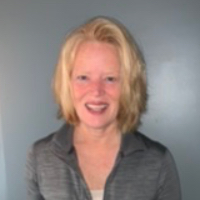
Part 1 of 4
- LMHC with 10 years experience
- Focus on trauma and addiction
- Compassionate practical support
About Jerrilynn
She encourages clients to look for the root of their suffering rather than only managing symptoms. In sessions she talks through how stress responses, childhood messages, and trauma shape current feelings and choices. The goal is clearer self-understanding, greater self-compassion, and practical steps toward healthier daily habits.
Her practice includes support for addiction, trauma and abuse, grief, depression, anxiety, ADHD, relationship and intimacy concerns, parenting strain, and many other life challenges. She also addresses more specific themes like abandonment, attachment issues, body image, chronic illness, caregiver stress, and codependency.
Jerrilynn uses approaches that center the client’s experience, including Acceptance and Commitment Therapy, attachment-based work, client-centered methods, Cognitive Behavioral Therapy, and Dialectical Behavior Therapy. She focuses on helping people identify unhelpful thought patterns, set boundaries, and build coping skills that fit their daily life.
People who choose her often want a direct, compassionate collaborator who values growth and accountability. She invites those ready to examine the past, embrace the present, and create a different future to begin the work together.
Part 2 of 4
How her methods translate to online work
Acceptance and Commitment Therapy (ACT) helps people notice thoughts and feelings without getting stuck in them, then choose actions that match their values. This can be useful for managing anxiety, depression, and motivation struggles. Attachment-Based Therapy looks at how early relationships shape current patterns and helps people practice new ways of relating; it can help with intimacy, abandonment issues, and trust concerns.Choosing an approach is collaborative. The therapist will talk with each person about goals, struggles, and preferences and will adjust methods as they go. Clients can expect to set concrete goals and try simple exercises between sessions to test what helps in real life.
Confirm the available session options before booking so you know how sessions are offered. Online therapy can make it easier to fit meetings around work, caregiving, or health needs and can reduce travel time. It also allows shorter check-ins when schedules are tight and offers flexibility for people who prefer not to be on camera for the whole session. Ask about practical details when you schedule so sessions match your daily routine.
Part 3 of 4
Areas of expertise
Primary focus
Also works with
Additional focus areas
Therapeutic approaches
Experience
10+ years
Credentials
New York, Florida
Languages
English
Part 4 of 4
Frequently asked questions
What concerns does this therapist address?
Areas of focus include addictions, trauma and abuse, grief, depression, anxiety, ADHD, relationship and intimacy issues, parenting and caregiver stress, body image, chronic illness, and many related concerns.
What is the therapist's general approach in sessions?
She combines client-centered conversation with techniques from Acceptance and Commitment Therapy, Cognitive Behavioral Therapy, and Dialectical Behavior Therapy to help people change unhelpful thinking and build coping skills.
How much experience does the therapist have?
The counselor has ten years of clinical experience working with a range of mental health and substance use concerns.
What credentials and region apply to this therapist?
She is a licensed mental health counselor (LMHC) and practices in Florida with licensure also noted for New York.
Which languages are supported for sessions?
Sessions are offered in English.
Can international clients work with this therapist?
International clients are not currently accepted.
How are session costs handled?
Cost varies by location and therapist availability; sessions use a subscription that can be canceled at any time.
What is the first step to begin working together?
Select the Start Therapy button, complete a short matching questionnaire, and schedule according to the therapist's availability.