Part 1 of 4
- Person-centered approach
- CBT-informed tools
- Trauma-aware care
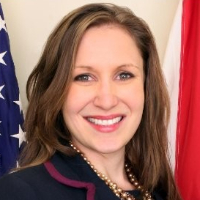
About Jennifer
Jennifer uses a person-centered style that keeps the client’s goals in focus. She combines that with cognitive-behavioral ideas to notice and change unhelpful thoughts and behaviors. She also draws on emotion-focused approaches to name and work through strong feelings.
Her background includes a Master’s in Art Therapy from Eastern Virginia Medical School and work across multiple states. Growing up in Florida and moving frequently as a military spouse shaped her perspective on change and resilience. That life experience influences how she supports people facing transitions and repeated loss.
In sessions, Jennifer offers clear explanations and practical steps. She uses psychoeducation to help people understand why they feel a certain way. Then she works with them to build skills for managing emotions and everyday stressors.
She places attention on trauma, attachment patterns, and life events that leave people feeling fearful or unsafe. The goal is to help clients build steady coping strategies and strengthen their ability to handle future challenges. Jennifer aims for short, doable changes that add up over time.
Part 2 of 4
How therapy approaches translate to online care
Acceptance and Commitment Therapy (ACT) helps people notice unhelpful thoughts without getting stuck in them, then commit to actions that match their values. It is often used for anxiety, depression, and motivation struggles. Cognitive Behavioral Therapy (CBT) focuses on identifying thought and behavior patterns that keep problems going and practicing new, more helpful responses. It can help with anxiety, depression, and coping skills. Emotionally-Focused Therapy (EFT) works on naming and processing strong emotions and improving how people respond to their feelings, which is useful for grief, trauma responses, and intense anger.Finding the right approach is part of therapy. The therapist will work together with each person to decide which methods fit their needs, goals, and preferences. That process is collaborative and can change as work progresses.
Session formats are not detailed in the biography, so confirm current online options before booking. Online therapy can make it easier to fit sessions into a busy life, reduce travel time, and allow for shorter check-ins when needed. It also lets people access a therapist from different locations within the same state. Ask about the available session types when you schedule to match practical needs and daily routines.
Part 3 of 4
Areas of expertise
Primary focus
Also works with
Additional focus areas
Therapeutic approaches
Experience
21+ years
Credentials
Florida, Virginia
Languages
English
Part 4 of 4
Frequently asked questions
What concerns does this therapist commonly address?
Areas of focus include stress, anxiety, depression, grief, addictions, relationship and family issues, trauma and abuse, career and coping with life changes, and ADHD-related concerns.
How would you describe the therapeutic style used?
The approach is person-centered with an emphasis on clear explanations and practical steps. Cognitive-behavioral ideas and emotion-focused techniques are used to help people change unhelpful thinking and manage strong feelings.
What is the clinician's experience and background?
The therapist brings 21 years of clinical experience and holds a master’s degree in art therapy. Personal experience as a military spouse and work across multiple states inform the way she supports clients through change and loss.
Which credentials and location are listed for this clinician?
The clinician’s listed credentials are LMHC and LPC, and she practices in Florida.
What languages are sessions offered in?
Sessions are offered in English and international clients are not currently accepted.
What session formats are available?
Session formats are not specified in the biography. Please confirm current session options before scheduling.
How is cost handled for sessions?
Cost varies with location and therapist availability, and sessions use a subscription that can be canceled at any time.
What steps are involved in getting started?
Begin by selecting the Start Therapy button, completing a short matching questionnaire, and then scheduling according to the therapist’s availability.