Part 1 of 4
- Client-centered listening
- CBT and mindfulness
- Trauma informed focus
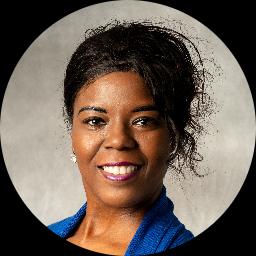
About Javon
She listens without judgment and works to build an open, respectful space where clients can speak freely about what matters to them. Conversations focus on what is happening now and on practical steps a person can try between sessions. That might include new ways of noticing thoughts, small behavior changes, or short exercises to lower daily tension.
Dr. Williams combines client-centered listening with tools from cognitive behavioral therapy and mindfulness work. She also uses narrative and motivational techniques to help people clarify goals and strengthen motivation for change. These methods are used together to match a person’s needs rather than as a fixed package.
Her background includes supporting military personnel, college students, and a range of diverse and marginalized communities. That experience informs her attention to identity, connection, and the impact of life events on mood and functioning.
People come to her for help with attachment and abandonment concerns, caregiver stress, chronic pain or illness, communication problems, substance issues, and relationship breakdowns. She aims to help people find clearer ways to cope, make decisions, and move forward at their own pace.
Part 2 of 4
How these approaches translate to online care
Client-centered therapy focuses on listening and reflecting what a person says so they feel heard and understood; it helps when someone needs space to sort through feelings and choices. Cognitive behavioral therapy looks at how thoughts, feelings, and actions connect and uses short exercises to change unhelpful patterns, which is useful for anxiety, low mood, and stress.Finding the right approach is usually a team effort. The therapist will work with the client to test methods, adjust techniques, and choose what feels most helpful for their goals and preferences. That collaborative process helps keep sessions practical and relevant to everyday life.
Session format options are not specified in the biography, so confirm current session choices before booking. Online work can make it easier to fit therapy around school, work, caregiving, or medical appointments. It also allows for a quicker check-in when a brief conversation is needed, and it can reduce travel time so clients spend more of their day on things that matter to them.
Part 3 of 4
Areas of expertise
Additional focus areas
Therapeutic approaches
Experience
17+ years
Credentials
Georgia
Languages
English
Part 4 of 4
Frequently asked questions
What concerns does this therapist commonly address?
Dr. Williams works with stress, anxiety, trauma and abuse, self-esteem, depression, and coping with life changes, plus related areas like attachment, caregiver stress, chronic illness, and substance issues.
How would you describe her therapeutic style?
She uses a client-centered style, combining listening with practical tools from cognitive behavioral therapy, mindfulness, narrative approaches, and motivational interviewing to help people make small, concrete changes.
What is her professional background?
She has 17 years of professional experience and has worked with military personnel, college students, and diverse and marginalized groups, which informs her attention to identity and life context.
What credentials and region are listed for this clinician?
The clinician holds the LPC credential and practices in Georgia as a Georgia LPC.
Which languages are supported for sessions?
Sessions are offered in English.
Does she see clients who live outside the United States?
International clients are not currently accepted.
How are session costs handled?
Cost varies with location and therapist availability; sessions use a subscription that can be canceled at any time.
How do I begin working with Dr. Williams?
Use the Start Therapy button, complete a short matching questionnaire, and schedule according to therapist availability.