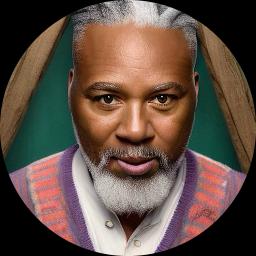
Part 1 of 4
- Compassionate listening
- Focus on skills
- LGBTQIA support
About James
He aims to create an open, nonjudgmental space where people can share thoughts and feelings. Conversations are straightforward and focused on what matters most in daily life. He talks through challenges and helps clients find practical steps they can try between sessions.
His work includes supporting members of the LGBTQIA community, offering guidance delivered with sincerity and respect. He helps people navigate identity-related concerns and the emotional impact these bring.
Dr. Young draws on several therapy methods to match each person's needs. He uses client-centered listening, cognitive tools to change unhelpful thinking, emotion-focused strategies to deepen connection with feelings, mindfulness practices for attention and calm, and motivational interviewing to boost readiness for change.
He welcomes questions about the process and encourages people to take the first step when they feel ready to make a change. The focus is on collaboration, clear goals, and usable skills people can apply in everyday life.
Part 2 of 4
How therapeutic approaches fit into online care
Client-Centered Therapy focuses on listening and reflecting what matters to the person. The aim is to make clear what a client wants to change and to build trust through empathic conversation. Cognitive Behavioral Therapy, or CBT, helps people identify and shift unhelpful thoughts and behaviors to reduce anxiety and depression. It is practical and often involves specific exercises to try between sessions. Emotionally-Focused Therapy, or EFT, works with feelings to improve emotional understanding and connection, which can help with intimacy-related struggles and relationship concerns.Choosing the right approach is part of the work. The therapist will discuss goals, preferences, and what feels most useful. Together they will test methods and adjust the plan based on what helps the client make steady progress.
Confirm the therapist's current session options before booking since formats are not listed here. Online therapy can make it easier to attend sessions around work, school, or caregiving by avoiding travel time. It can also allow quicker check-ins or shorter sessions when schedules are tight, and it makes it simpler to access support from different locations within the same state.
Part 3 of 4
Areas of expertise
Primary focus
Also works with
Additional focus areas
Therapeutic approaches
Experience
9+ years
Credentials
Florida
Languages
English
Part 4 of 4
Frequently asked questions
What concerns does Dr. Young commonly help with?
He helps people with stress, anxiety, trauma and abuse, self-esteem, ADHD, addictions, relationship and intimacy issues, grief, parenting, bipolar and depression, and coping with life changes.
What is his therapy style like?
Sessions emphasize open listening and practical steps. He blends client-centered listening with cognitive and emotion-focused tools to address thinking patterns and emotional experience.
How much experience does he have?
Dr. Young has nine years of professional work experience in mental health practice.
What credentials and location are listed?
He is a Licensed Mental Health Counselor, FL LMHC, and practices in Florida.
Which languages are available for sessions?
Sessions are offered in English.
Are international clients supported?
International clients are not currently accepted.
How does payment and cost work?
Cost varies with location and therapist availability; sessions use a subscription that can be canceled at any time.
What are the steps to begin working together?
Select the Start Therapy button, complete a short matching questionnaire, and schedule according to therapist availability.