Part 1 of 4
- Goal focused
- Compassionate care
- Inclusive approach
About Ivy
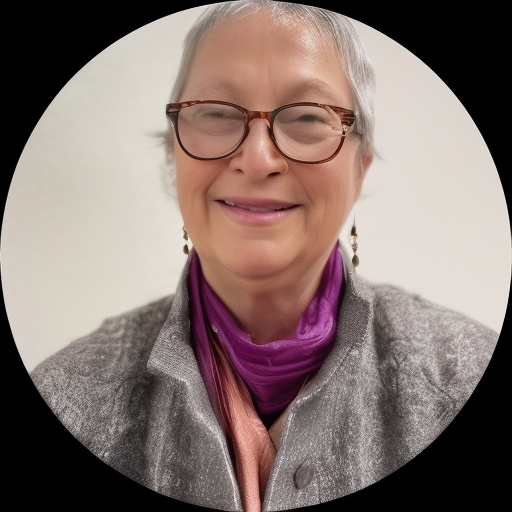
She pays attention to compassion fatigue and encourages practical self-care habits that fit everyday life. Ivy describes her approach as inclusive; she listens with respect and sensitivity to different backgrounds and identities. In early sessions she focuses on understanding what matters most to each person and what they hope to change.
Her work uses clear goals and step-by-step planning. She partners with clients to set realistic next steps and to check progress regularly. Conversations can include looking at how past family experiences shape the present and finding ways to rebuild confidence and purpose.
Ivy draws on techniques that help people increase awareness, find motivation, and tell a clearer story about their lives. She also works on short-term, practical strategies when immediate coping is a priority. Her style is collaborative and pragmatic - she helps people try small changes and notice what works.
Starting therapy can feel hard, and Ivy recognizes that courage it takes. She invites people to begin with a brief matching questionnaire and then schedule a time to talk about goals and a plan.
Part 2 of 4
How Ivy's approaches translate to online work
Mindfulness Therapy helps people notice thoughts and feelings without judgment. It can reduce reactivity and support better coping during stressful life transitions or caregiving challenges.Motivational Interviewing focuses on building internal motivation for change. It uses respectful conversations to help someone clarify goals and commit to small, workable steps toward those goals.
Finding the right approach is part of the process. The therapist will work together with each person to identify preferences, goals, and what feels most useful. That collaborative planning guides which techniques are used and how sessions are paced.
Session logistics and formats are not detailed in the biography, so confirm available options before booking. Online therapy can make it easier to fit appointments into busy schedules, allow shorter check-ins when time is tight, and reduce travel time so therapy fits into a workday or caregiving routine. Licensed professionals can adapt mindfulness and motivational techniques to remote sessions so people can continue progress even when life is busy.
Part 3 of 4
Areas of expertise
Primary focus
Additional focus areas
Therapeutic approaches
Experience
4+ years
Credentials
Oregon
Languages
English
Part 4 of 4
Frequently asked questions
What concerns does this therapist address?
The therapist helps with family issues, self-esteem, career stress, coping with life changes, and compassion fatigue. Additional focuses include aging and geriatric issues, caregiver stress, traumatic brain injury, and related concerns.
What is their therapeutic style?
The approach is practical and collaborative, emphasizing goal setting and small, measurable steps. Techniques include increasing awareness, finding motivation, and reshaping personal narratives.
How much experience does the therapist have?
The clinician has four years of professional work experience providing counseling in Oregon.
What credentials and location are listed?
She holds the LPC credential, which stands for Licensed Professional Counselor, and practices in Oregon.
Which languages are supported and are international clients taken?
Sessions are offered in English. International clients are not currently accepted.
What session formats are offered?
Session formats are not specified in the biography; please confirm current session options with the provider before booking.
How are costs handled?
Cost varies with location and therapist availability; sessions use a subscription that can be canceled at any time.
How do I get started with therapy here?
Begin by selecting the Start Therapy button, complete a short matching questionnaire, and then schedule a session according to the therapist's availability.