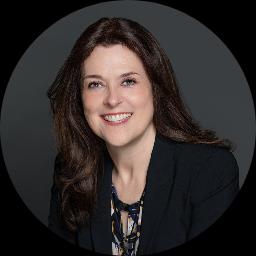
Part 1 of 4
- Caring and encouraging
- Skill focused
- Trauma aware
About Glenna
Rodgers draws on several practical approaches in sessions. She uses Cognitive Behavioral Therapy to help clients spot unhelpful thoughts and try small behavior changes. She also uses Dialectical Behavior Therapy tools for managing intense emotions and improving how people respond under pressure.
Person-Centered Therapy informs the way she listens and responds, giving clients space to lead and find their own solutions. When trauma is part of the story, she incorporates Trauma-Focused methods to help people process upsetting events and reduce their ongoing impact.
Her work covers a wide range of concerns including grief, addictions, sleep and eating problems, parenting stress, chronic illness and caregiving strain, and challenges tied to attachment or abandonment. She also supports those facing career stress, compassion fatigue, and mood disorders.
Sessions emphasize practical skills, straightforward feedback, and steady skill-building. Many people come for help with concrete problems like sleep, focus, or handling a crisis. Others work on longer-term patterns in relationships and self-esteem. The goal is clearer thinking and more useful day-to-day coping.
Part 2 of 4
Approaches that guide online care
Client-Centered Therapy focuses on a respectful, nonjudgmental relationship where the client leads. The therapist listens actively and reflects back so people can discover their own solutions and build confidence. Cognitive Behavioral Therapy (CBT) helps identify unhelpful thoughts and try specific behavior changes to improve mood and daily functioning. It is useful for worry, low mood, sleep issues, and focus problems.Choosing the right approach is a collaborative process. The therapist will talk with the client about goals, challenges, and preferences and recommend techniques to try. Together they check what feels helpful and adjust the plan as needed so sessions match the client’s pace and priorities.
Confirm current session options before booking to learn which formats are offered. Online therapy can make it easier to fit sessions into a busy life by removing travel time and allowing appointments from different locations. It can also support shorter check-ins or sessions timed around work or caregiving demands. Licensed professionals use these methods to teach practical coping skills, manage intense emotions, and work through trauma-related symptoms.
Part 3 of 4
Areas of expertise
Primary focus
Also works with
Additional focus areas
Therapeutic approaches
Experience
27+ years
Credentials
Arkansas, Mississippi, New Jersey, Virginia
Languages
English
Part 4 of 4
Frequently asked questions
What kinds of problems does this therapist help with?
She works with a broad range of concerns including anxiety, depression, stress, trauma and abuse, grief, addictions, ADHD, sleep or eating problems, and relationship or intimacy issues.
How would you describe her therapy style?
Her style is caring and encouraging. She listens without judgment, offers practical skills, and helps people gain insight and healthier coping strategies.
How much clinical experience does she have?
She brings 27 years of experience in mental health care, working with many kinds of concerns across that time.
What are her professional credentials and location?
She is an LPC and practices in Arkansas. The listing records LPC credentials including NJ LPC and MS LPC where applicable.
In which languages are sessions offered?
Sessions are offered in English.
Does she accept clients outside the United States?
International clients are not currently accepted.
How is cost handled for sessions?
Cost varies with location and therapist availability; sessions use a subscription that can be canceled at any time.
What do I need to do to get started?
Select the Start Therapy button, complete a short matching questionnaire, and schedule according to therapist availability.