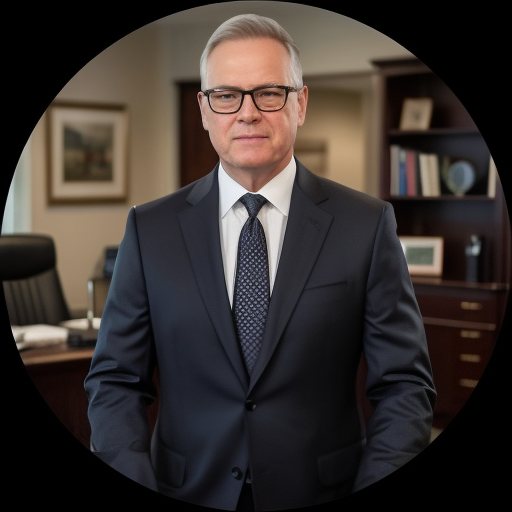
Part 1 of 4
- Trauma recovery
- Relationship issues
- Mood and anxiety
About Edward
He uses straightforward, practical methods to address concerns like trauma, self-esteem, and mood disorders. Sessions tend to focus on improving communication, managing strong emotions, and building everyday coping skills. He also helps people think about career stress, parenting strain, and navigating grief.
Dr. Varner blends several therapeutic approaches to match each person's needs. He draws on Acceptance and Commitment Therapy to help clarify values, Cognitive Behavioral Therapy to change unhelpful thinking and behavior patterns, and Attachment-Based ideas to look at close relationships. Dialectical Behavior Therapy and client-centered methods are also part of his toolkit when appropriate.
His practice notes include work around attachment issues, autism and Asperger syndrome, body image, substance concerns, and complex family-of-origin problems. He also addresses intimacy-related issues, kink and BDSM concerns, and coping after loss or disaster.
People choosing to work with him follow a simple start process through the service portal. The subscription model used for sessions can be canceled at any time. Prospective clients are invited to use the site scheduling flow to match with him and arrange an initial session.
Part 2 of 4
Therapeutic approaches that translate to online work
Acceptance and Commitment Therapy helps people clarify what matters to them and take actions that match those values. It is often used when someone feels stuck by anxiety, depression, or life transitions. Cognitive Behavioral Therapy focuses on identifying unhelpful thoughts and testing new behaviors to reduce symptoms and improve daily functioning. It is commonly used for anxiety, mood concerns, and stress management. Attachment-Based Therapy looks at patterns in close relationships and how early bonds affect current reactions; it can be helpful for intimacy issues and communication struggles.Choosing the right approach is a collaborative process. The therapist reviews a person’s goals, preferences, and concerns together with them, then adapts methods over time. This lets sessions shift if one method does not feel helpful, or if a different focus is needed as work progresses.
Specific session formats are not listed in the biography, so confirm the current options before booking. Online therapy can make it easier to fit sessions into a busy life by removing travel time, allowing shorter check-ins during a workday, or letting someone join from a calmer location. It also makes it possible to continue regular work if relocation or travel would otherwise interrupt care.
Part 3 of 4
Areas of expertise
Primary focus
Also works with
Additional focus areas
Therapeutic approaches
Experience
30+ years
Credentials
Tennessee
Languages
English, Japanese
Part 4 of 4
Frequently asked questions
What kinds of problems does he help with?
The practice helps with depression, anxiety, relationship difficulties, trauma and abuse, self-esteem, bipolar concerns, stress, grief, and many life transitions.
What is his therapeutic style like?
The approach is practical and collaborative, focusing on values, behavior change, emotion regulation, and improving communication in daily life.
How much clinical experience does he have?
He has 30 years of experience working with a wide range of personal and relational issues.
What credentials and location apply?
He holds the credential LPC-MHSP and practices in Tennessee.
Which languages are supported for sessions?
Sessions are offered in English and Japanese.
Can people outside the U.S. work with him?
International clients are accepted through the platform used by the service.
How are sessions paid for and what does it cost?
Costs vary by location and the subscription used; the subscription can be canceled at any time.
How do I begin working with him?
Use the Start Therapy button, complete the short matching questionnaire, and then schedule according to the therapist's availability.