Part 1 of 4
- Client-centered care
- Practical skills
- Strengths based
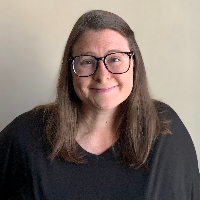
About Diana
Diana earned a Master of Social Work from Youngstown State University and has a background in counseling at the bachelor level. She has about six years of professional experience working with people who have a range of concerns, including relationship difficulties, adjustment to life changes, and grief and loss.
Her counseling style centers on the person in front of her. She uses client-centered conversation, practical cognitive-behavioral strategies, and mindfulness practices to help people notice patterns and try different ways of coping. Motivational interviewing and narrative techniques are added when helpful to clarify goals and build motivation.
Sessions focus on what matters most to each individual. Diana listens, helps name options, and practices short skills that can be used between visits. She pays attention to how health, caregiving demands, aging, chronic illness, and disability can affect mood and daily functioning.
People working through addiction concerns, ADHD, anger, or compassion fatigue may find the mix of practical changes and values-focused work useful. Diana aims to support people as they experiment with new habits and work toward steady progress.
Part 2 of 4
How Diana Uses Evidence-Informed Approaches Online
Client-centered work focuses on the person’s own goals and values. The therapist listens deeply, helps people name what matters, and builds plans around those priorities. This approach can help with grief, relationship strain, and life transitions.Cognitive Behavioral Therapy, or CBT, looks at how thoughts, feelings, and behaviors interact. Diana uses CBT to help people spot unhelpful thinking and practice small behavior changes that reduce anxiety or depression symptoms.
Mindfulness Therapy teaches simple attention and breathing practices to reduce reactivity and improve focus. It can be useful for stress, anger, and coping with chronic illness or caregiving demands.
Finding the right mix of approaches is part of the work. Diana collaborates with each person to choose methods that fit their needs, goals, and comfort level. She adjusts pacing and techniques as progress is made.
Confirm the therapist's current session options before booking because the biography did not list specific formats. Online sessions can make it easier to fit appointments into a busy life, shorten commutes, and allow follow-up check-ins when needed. Talk with the therapist about what will work best for scheduling, length of sessions, and practical needs.
Part 3 of 4
Areas of expertise
Primary focus
Also works with
Additional focus areas
Therapeutic approaches
Experience
6+ years
Credentials
Ohio
Languages
English
Part 4 of 4
Frequently asked questions
What concerns does Diana commonly address?
She works with stress, anxiety, depression, grief, trauma and related relationship and coping issues. Additional focus areas include caregiving strain, chronic illness, and end-of-life concerns.
What is her general therapy style?
Her style is approachable and client-centered, combining practical cognitive-behavioral techniques with mindfulness and narrative elements. Sessions are tailored around a person’s strengths and goals.
How long has she been practicing?
She has about six years of experience working in counseling and social work settings since completing her graduate degree.
What credential does she hold and where is she located?
She holds an LISW, which stands for Licensed Independent Social Worker, and practices in Ohio.
Are sessions available in other languages or internationally?
Sessions are offered in English. She is not accepting international clients at this time.
What session formats are offered?
Please confirm current session options before booking since specific session formats were not listed in the biography.
How does billing and cost work?
Cost varies with location and therapist availability, and sessions use a subscription that can be canceled at any time.
How do I begin working with her?
Select the Start Therapy button, complete a short matching questionnaire, and schedule a session according to the therapist's availability.