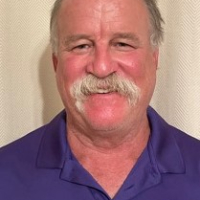
Part 1 of 4
- Warm collaborative care
- Practical coping skills
- Trauma and grief focus
About David
He uses a client-centered style and draws on other approaches as needed, including cognitive behavioral therapy and dialectical behavior therapy. That means sessions focus on the person's goals and practical strategies rather than labels. David has experience with trauma, grief, depression, anxiety, relationship and intimacy concerns, and issues related to caregiving and stress.
He reports many years working in grief and trauma counseling and notes experience with military-related trauma and PTSD. His background combines work in different settings and with a wide range of concerns, including ADHD, anger, self-esteem, and coping with life changes. He emphasizes respect, sensitivity, and avoiding stigmatizing language.
David aims to co-create treatment plans that fit each person's situation. He highlights unconditional positive regard as part of the therapeutic relationship and blends techniques to match individual needs. His approach is described as interactive and supportive while focusing on practical coping skills.
People who want a straightforward, collaborative therapist who uses evidence-informed strategies may find his style a good match. He works in English and is licensed in Florida as LMFT and LMHC.
Part 2 of 4
How therapeutic approaches shape online work
Attachment-Based Therapy looks at how early connections affect current relationships and emotional patterns; it can help people address relationship struggles, trust issues, and feelings of abandonment. Client-Centered Therapy focuses on listening and reflecting the person's experience, helping people find their own solutions and build confidence in decisions. Cognitive Behavioral Therapy (CBT) targets unhelpful thoughts and behaviors and teaches practical skills for anxiety, depression, and sleep or stress-related problems.Figuring out the right approach is part of the work together. The therapist will talk with the person about needs, goals, and what feels most useful. Treatment plans are adjusted over time so methods match the client's preferences and life situation in a collaborative way.
The original profile does not list session formats, so confirm available options before booking. Online therapy can make it easier to fit sessions into a busy schedule, reduce time spent traveling, and allow shorter check-ins when needed. It can also let people use video or audio depending on what works best for them and their technology. Licensed professionals can adapt exercises, worksheets, and skill practice to an online setting so that progress continues between visits.
Part 3 of 4
Areas of expertise
Primary focus
Also works with
Additional focus areas
Therapeutic approaches
Experience
7+ years
Credentials
Florida, Florida
Languages
English
Part 4 of 4
Frequently asked questions
What kinds of concerns does he address?
He works with trauma and abuse, grief, depression, anxiety, relationship and intimacy issues, and many everyday stressors like parenting, sleep problems, and career strain.
How would you describe his therapeutic style?
He uses a client-centered approach with a warm, interactive manner and brings in CBT or DBT skills when they fit the person's goals.
What is his background with trauma?
He reports many years providing grief and trauma counseling and experience addressing PTSD and acute stress, including work related to the military population.
Which credentials and location apply to this therapist?
He holds LMFT and LMHC credentials and is licensed in Florida.
Are sessions available in other languages or countries?
Sessions are offered in English and he accepts international clients.
What session formats are offered?
The original profile did not specify session formats; please confirm current session options when you book.
How does payment or cost work?
Cost varies with location and therapist availability; sessions use a subscription that can be canceled at any time.
How do I begin working with him?
Click the Start Therapy button, complete a short matching questionnaire, and schedule according to the therapist's availability.